
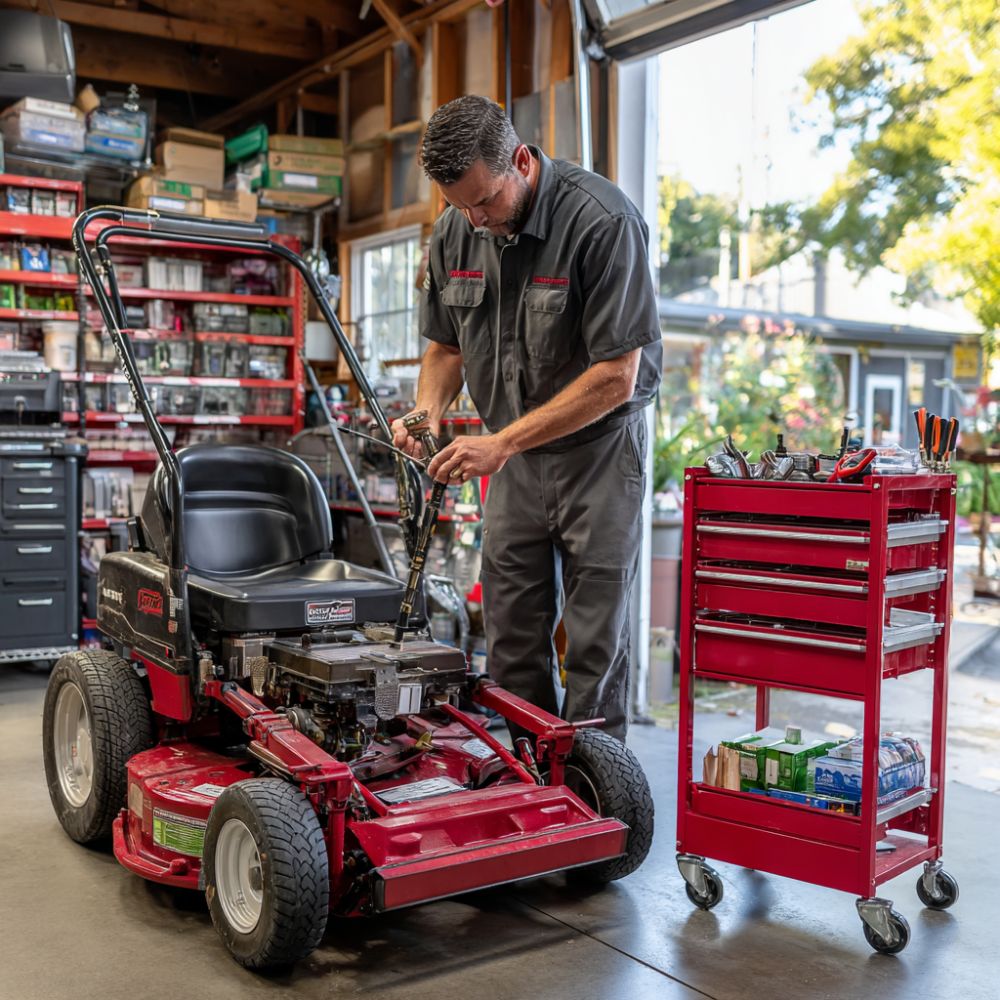
It’s the first 60-degree day in late March. The grass is growing fast, and you’re ready to mow. You head to the garage, prime the engine, pull the starter cord, and nothing happens. Another pull. Still nothing. Now you’re facing a reality thousands of New Hampshire homeowners deal with every spring: equipment that won’t start when you need it most, and service shops backed up for 2-3 weeks during their busiest season.
This scenario is entirely preventable. The secret isn’t better equipment or luck—it’s timing. February through early March is the sweet spot for scheduling spring equipment tune-ups. During this window, you’ll get 24-48 hour service turnaround instead of waiting weeks. Your equipment will be ready when that first growth spurt hits, and you’ll avoid the frustration of watching your lawn get ahead of you while your mower sits in a service queue.
This guide explains exactly when to schedule service, what happens during a professional tune-up, and why the timing matters for New Hampshire equipment owners.
The Off-Peak Service Advantage: Why February Matters
February through early March offers a unique window for equipment service that disappears once spring truly arrives. During these weeks, service departments have capacity, parts are readily available, and you have the flexibility to choose your preferred service dates.
The numbers tell the story. Peak season service wait times average 2-3 weeks from drop-off to pickup. During February and early March, that same service typically takes 24-48 hours. Service call volume increases by roughly 300% between early March and mid-April, transforming what could be a quick tune-up into an extended wait.
Shop capacity makes the difference. Factory-trained technicians have time for thorough inspections during off-peak periods. They can identify potential issues before they become failures, order parts without delaying your service, and complete work without the pressure of dozens of other customers waiting. This attention to detail often catches problems that would otherwise surface mid-season, when you can least afford downtime.
Parts availability matters more than many homeowners realize. Common maintenance items like air filters, spark plugs, and belts are always in stock, but specialized components for specific models may require ordering. During off-peak season, even if a part needs ordering, it arrives within days rather than competing with dozens of other orders during peak season backorders. Understanding which replacement parts your equipment needs prevents confusion during service appointments.
Scheduling flexibility gives you control. Need your equipment picked up on a Tuesday and returned by Friday? During off-peak season, that’s entirely possible. During peak season, you take whatever appointment slot becomes available and work around it.
The timing consideration extends beyond convenience. Some shops offer early-season service discounts to encourage off-peak scheduling. Even without specific discounts, avoiding emergency or rush fees that sometimes apply during peak season saves money.
New Hampshire-Specific Timing: Understanding Regional Patterns
The seacoast region typically sees ground thaw by mid-February, making equipment accessible from storage. First mowing typically happens late March through early April, depending on spring weather patterns. This creates an ideal service window: February 1 through March 15.
Waiting until late March means you’re competing with everyone else who also waited. Your quick tune-up becomes a 10-day wait, parts that should be in stock are temporarily unavailable, and your lawn grows taller while your mower sits in line.
Homeowners who follow proper winter equipment storage practices find their machines need less extensive service, but professional assessment remains critical. Even well-stored equipment develops issues that only trained technicians can identify.
Inside a Professional Spring Tune-Up: What Factory-Trained Technicians Check
A comprehensive spring tune-up goes far beyond simply changing the oil and spark plug. Factory-trained technicians follow manufacturer-specific procedures that address the systems most likely to fail after winter storage and ensure your equipment starts reliably throughout the season.
Engine System Service
The engine receives focused attention during spring service. Oil that sat all winter gets drained and replaced with fresh oil appropriate for New Hampshire’s climate. Used oil contains moisture and combustion byproducts that can cause internal corrosion during storage, making fresh oil critical for engine longevity.
Air filter inspection determines whether cleaning or replacement is necessary. A clogged air filter forces the engine to run rich (too much fuel, not enough air), reducing power and increasing fuel consumption. Factory specifications guide the replacement decision—some filters can be cleaned, others must be replaced.
Spark plug condition and gap setting directly affect starting reliability. Plugs that fired reliably last season may have electrode wear or carbon buildup that prevents proper ignition. Technicians inspect plug condition, verify the gap matches manufacturer specifications, and replace plugs showing wear. Proper small engine oil maintenance intervals prevent internal damage that no amount of spring service can reverse.
The fuel system requires particular attention after winter storage. Fuel lines are inspected for cracks or deterioration, fuel filters checked for contamination, and carburetors assessed for varnish buildup from old fuel. Many spring no-start problems trace directly to fuel system issues that developed during storage.
Commercial equipment receives additional engine assessment, including compression testing. This identifies developing problems with rings, valves, or head gaskets before they cause complete failure during the revenue-generating season.
Cutting System Maintenance
The cutting system determines how well your equipment actually performs its primary job. Blade sharpening and balancing ensures clean cuts that promote lawn health rather than tearing grass and inviting disease. Dull blades create brown, frayed grass tips visible 24-48 hours after mowing.
Deck cleaning removes accumulated grass, dirt, and debris that can cause rust and trap moisture. Inspection during cleaning identifies cracks, rust-through, or structural damage that could worsen during the season.
Belt condition and tension affect cutting engagement, drive performance, and overall reliability. Belts develop cracks, glazing, or stretching over time. Replacing marginal belts during spring service prevents mid-season breakdowns that leave you without equipment when you need it most. The choice between OEM and aftermarket parts affects long-term reliability and warranty coverage.
Spindle bearings support blade rotation. Worn bearings cause vibration, uneven cutting, and eventual blade mounting failure. Technicians check for bearing play or noise that indicates replacement is needed.
Discharge chute operation seems minor until it fails mid-mow. Spring service includes verifying chute movement, securing loose hardware, and ensuring safety mechanisms function properly.
Safety and Operational Checks
Safety systems protect operators and bystanders. Brake operation on zero-turns and riding mowers receives verification—worn brakes can fail to hold equipment on slopes or prevent movement during blade engagement. Proper zero-turn mower safety practices start with functional safety systems.
Safety switches and interlocks prevent blade engagement without operator presence and stop the engine if the operator leaves the seat. These critical safety features must function correctly. Bypassing or ignoring failed safety switches creates serious injury risk.
Throttle and choke cables stretch and wear over time, affecting engine starting and operation. Smooth cable movement and proper adjustment ensure responsive throttle control and reliable starting.
Tire pressure and condition affect cutting quality and operator safety. Under-inflated tires create uneven cutting height. Damaged tires risk failure during operation. Proper inflation and inspection prevent these issues.
Battery load testing on electric start models identifies batteries losing capacity before they fail to start the engine. Replacing a marginal battery during spring service beats discovering a dead battery when you’re ready to mow.
Final Testing and Verification
The tune-up isn’t complete until equipment proves it works correctly. Cold start verification confirms the engine starts readily from a completely cold state—the most demanding starting condition. Operating temperature monitoring ensures proper cooling system function and identifies overheating issues before they cause damage.
Cutting quality testing under actual load conditions reveals problems that static testing might miss. Vibration assessment during operation identifies unbalanced blades, loose components, or bearing issues.
Factory-trained technicians follow manufacturer-specific service procedures rather than generic approaches. This expertise catches brand-specific issues that general repair shops might miss.
Timing Service by Equipment Type: Strategic Scheduling
Different equipment categories have different optimal service timing based on when you’ll need them and their service complexity.
Lawn Mowers and Tractors
Schedule mower and tractor service first to ensure readiness for that first mowing. These machines typically have the longest service intervals, meaning if major repairs are needed, parts sourcing takes time.
Walk-behind mowers, riding mowers, and lawn tractors should be serviced in early February for residential owners. This timing ensures readiness for late March or early April first mowing, with buffer time if unexpected repairs are needed.
Zero-turn mowers require more detailed service due to complex hydraulic systems, larger cutting decks, and heavy-duty construction. These machines should move to the front of your service schedule. Professional landscapers benefit from understanding commercial zero-turn mower advantages that justify the additional maintenance investment.
String Trimmers and Blowers
Handheld equipment gets needed slightly later than mowers—late February through March works well. You typically don’t need trimmers until several weeks after the first mowing, providing more flexibility.
Two-stroke engine service has specific considerations. Fresh fuel mixture (never use fuel more than 30 days old) and spark arrestor screen cleaning are critical for reliable starting. Many no-start problems with handheld equipment trace to fuel system problems from old fuel or spark arrestor blockage.
Trimmer and blower service can often be combined with mower pickup if you coordinate with your service provider, reducing trips and streamlining your spring preparation. Understanding the differences between handheld and backpack blowers helps you communicate service needs accurately.
Commercial Zero-Turn Equipment
Commercial operators should schedule zero-turn service in January to ensure equipment readiness before the spring rush. Professional landscapers can’t afford to discover equipment problems when clients are calling for service.
Residential zero-turn owners should target early February for service scheduling. These machines have more complex systems than standard riding mowers—hydraulic drive systems, larger engines, commercial-grade components—requiring extra service attention.
Spring equipment tune-ups should be scheduled February 1 through March 15 in New Hampshire for optimal 24-48 hour turnaround. Service lawn mowers first in early February, followed by handheld equipment in late February. Commercial operators should schedule zero-turn service in January to ensure fleet readiness before spring demand begins.
More complex systems mean potentially longer service if problems are discovered. Starting early prevents delays that push equipment pickup into peak season when you need the machine.
Generator Service Scheduling
Generators operate on a different seasonal schedule than lawn equipment. While spring tune-ups focus on mowing equipment, generators need attention separate from seasonal lawn care equipment.
Schedule generator service and load testing as a dedicated appointment, not rushed as an add-on to mower service. Proper generator testing requires dedicated time and specific procedures. Following a comprehensive generator maintenance schedule prevents power outages during critical times.
Spring storm season makes generator readiness a secondary but important priority. After ensuring mowing equipment is ready, schedule generator service before the summer thunderstorm season begins. Understanding why winter generator preparation matters applies equally to spring storm readiness.
Why “I’ll Do It When I Need It” Costs More
The wait-and-see approach seems reasonable—why service equipment before you know you need it? The reality of spring equipment service shows why this thinking backfires.
Lost time hits hard when equipment fails at the start of the season. That first growth spurt happens quickly in spring. Grass grows 2-3 inches in a week during peak spring growth. If your mower is in the shop for 10-14 days, your lawn gets ahead of you. Trying to catch up by removing too much height at once stresses the grass and degrades lawn quality.
Emergency pricing sometimes applies when you need immediate service during peak season. Some shops charge rush fees for expedited service. Even without explicit rush charges, you’re competing for service slots with dozens of other customers who also waited.
Missed weekend project opportunities mean you can’t tackle spring yard cleanup, landscaping projects, or property maintenance because your primary tool sits in a service queue. Each delayed weekend pushes projects later into your busy schedule.
Equipment rental costs accumulate while waiting for repairs. Commercial operators absolutely need backup equipment, but homeowners find themselves paying $75-150 per day for rental equipment rather than using their own serviced machine.
Small problems become expensive repairs when they fail under load during operation rather than being caught during inspection. A marginally worn belt identified during spring service costs $25-40 to replace. That same belt breaking mid-season can damage surrounding components, turning a simple belt replacement into a $200+ repair. Understanding common lawn equipment problems and solutions helps identify issues before they escalate.
The Real Cost of Waiting: A Scenario
Consider a homeowner who waits until late March to address a mower that won’t start reliably. Initial diagnosis reveals carburetor issues from old fuel. Parts ordering takes 3-5 days due to peak season demand on suppliers. Service backlog means even with parts in-hand, the mower waits 5-7 days for shop time. Total downtime: 10-14 days.
During those two weeks, spring rains alternate with sunny days. Grass grows vigorously. The homeowner finally gets the mower back to find grass 6-8 inches tall. He’s forced to remove too much height at once, scalping in places, clumping grass everywhere, and stressing the lawn. Neighbors notice.
Compare that experience to the same homeowner scheduling service in February. The same carburetor issue is discovered during the tune-up. Parts are ordered and arrive within two days. Service is completed within 24 hours of parts arrival. Total turnaround: 48-72 hours. The mower sits ready in the garage when that first growth spurt hits. First mowing happens at the right time, proper height, perfect results.
The difference isn’t the equipment or the problem—it’s purely the timing of the service scheduling decision. Knowing realistic equipment repair timelines helps set proper expectations for both scenarios.
Making Service Convenient: Pickup and Delivery Scheduling
Pickup and delivery service transforms spring equipment preparation into a simple phone call. This convenience becomes especially valuable during February and early March when you don’t need immediate equipment return.
Service area coverage throughout the seacoast region means equipment pickup from Portsmouth, Rye, Hampton, Exeter, Stratham, and surrounding towns. One call schedules everything—no trailer rental, no truck borrowing, no time spent driving to and from the service center.
The scheduling process starts with contact via phone or online booking. You provide equipment type, known issues or concerns, and preferred pickup date. The service coordinates a convenient pickup time when you’ll be home or arranges secure equipment pickup if you won’t be present.
What to prepare for pickup: Clear access to equipment storage area, note any specific problems or concerns, ensure equipment can be safely moved (not blocked by other items). Fuel considerations matter—it’s fine to leave fuel in equipment, but mention if you’ve recently added fresh fuel or if fuel is old.
Timeline from pickup to return: Equipment is picked up on your scheduled date, transported to the service center, assessed and serviced, tested to verify proper operation, then returned on a coordinated schedule. During off-peak season, this entire cycle typically takes 2-3 days including pickup and delivery.
Multiple equipment coordination is possible and practical. If you have a mower, trimmer, and blower all needing service, schedule one pickup for all three items. This consolidated approach saves time and simplifies logistics.
Storage during service: Equipment is safely stored in secure facilities during the service process. You don’t need to worry about security or weather exposure while your equipment is being serviced.
This service is especially valuable in February when you don’t need immediate equipment return. Flexible scheduling around your calendar rather than rushing to coordinate transportation makes the entire process easier. Commercial operators particularly value pickup and delivery for fleet management, allowing them to maintain operations while equipment cycles through service. Mobile equipment repair services offer additional convenience for businesses that can’t spare transportation time.
Commercial Operators: The Staggered Service Approach
Commercial landscapers and property managers face a different calculus than homeowners. Equipment downtime directly equals lost revenue, making strategic service scheduling critical for profitability.
The fundamental rule: Never bring your entire fleet to service at once. Staggered scheduling maintains operational capacity throughout the preparation period while ensuring every machine receives needed attention.
Priority service programs provide commercial operators with dedicated support beyond standard retail service. These programs typically include 15-25% discounts on service and parts based on annual spending volume, priority scheduling that moves commercial equipment to the front of the service queue, and extended payment terms for qualified accounts.
Loaner equipment availability varies by dealer, but established commercial accounts often have access to comparable equipment during extended repairs. This backup equipment prevents revenue loss when major repairs take longer than routine service.
Parts pre-ordering for peak season represents smart planning. Review last season’s parts usage and equipment hours to identify parts likely to fail during the coming season. Order belts, filters, blades, and other consumables in late winter before peak season demand creates backorders.
Commercial Timeline Example
January: Priority equipment receives first attention. Commercial mowers and zero-turns that generate the most revenue get serviced first. This timing ensures if major repairs are needed, sufficient time exists for parts sourcing and extended service. Professional operators who understand commercial equipment maintenance requirements plan accordingly.
Early February: Secondary equipment including backup mowers and handheld equipment cycles through service. Chainsaw maintenance, trimmer servicing, and blower preparation happen during this window.
Late February: Final equipment and backup systems receive attention. Specialty equipment, older backup machines, and lower-priority tools get serviced. Debris management equipment, aerators, and seasonal equipment are prepared.
March 1: The goal is 100% fleet operational by this date. All primary equipment has been serviced, tested, and returned. Backup equipment is ready. Crews have been trained on any new equipment. The business is prepared for spring demand.
This staggered approach maintains operational capacity throughout the preparation period. Some equipment remains available for late-winter or early-spring work while other equipment cycles through service. If unexpected major repairs extend service time, the business continues operating with backup equipment rather than facing complete shutdown.
Understanding commercial landscape equipment options helps businesses make informed purchase and maintenance decisions that support long-term profitability.
Pre-Service Checklist for Homeowners
Preparing for service ensures efficient diagnosis and prevents miscommunication about equipment issues or expectations.
Note any specific problems or concerns about equipment operation. “Won’t start” helps, but “starts after 5-6 pulls instead of 1-2 pulls” provides better information. “Cuts unevenly” is useful, but “scalps on left side of deck” gives technicians specific diagnostic direction.
Remove attachments unless they need service themselves. Baggers, mulch kits, and accessories can come off before service unless you want them serviced too. This prevents confusion and reduces the risk of accessories being misplaced during service.
Check for loose hardware or obvious damage. If you backed into a tree or ran over a stump, mention the incident so technicians know to look for hidden damage beyond the obvious visible impact.
Take photos if there’s cosmetic damage you want documented. This prevents confusion about whether scratches, dents, or marks occurred before or during service.
Know your equipment’s age and service history. “It’s about 5 years old and I’ve never changed the spark plug” helps technicians plan service. If you don’t remember service history, that’s fine—just say so.
Set realistic expectations for older equipment. A 10-year-old mower won’t run like new no matter how thorough the service. Age-appropriate expectations prevent disappointment and help frame repair versus replacement discussions if major problems are discovered. Proper lawn equipment evaluation criteria help determine when repair makes sense versus replacement.
What to Expect When You Choose Seacoast Power Equipment
Understanding the service process helps set proper expectations and demonstrates why factory-trained expertise matters for reliable equipment maintenance.
Factory-trained technicians on staff have completed manufacturer-specific training programs for Honda, Toro, Stihl, Husqvarna, Ferris, and other major brands. This training covers brand-specific service procedures, common problems, and proper repair techniques that generic repair shops might not know. Choosing local trusted repair over big chains provides access to this specialized expertise.
All major brand expertise means your equipment receives proper service regardless of manufacturer. Whether you own Honda, Toro, Stihl, Husqvarna, or other major brands, technicians have the specific knowledge to service it correctly.
The $150,000+ parts inventory ensures most parts are available immediately rather than requiring ordering and waiting. Common maintenance items are always in stock. Many repair parts are on-hand for popular equipment models. This inventory investment dramatically reduces service turnaround time.
Typical 24-48 hour turnaround during February and early March means quick service completion. Drop equipment off or schedule pickup on Monday, have it back by Wednesday or Thursday. This quick turnaround prevents the extended waiting that defines peak-season service.
Written service assessments before major repairs ensure you understand what’s needed and approve costs before work begins. No surprises, no unexpected bills, complete transparency about what service involves.
The Service Process
Schedule your pickup or drop-off directly at the service counter or by phone. Provide basic information about your equipment and any known issues.
Initial inspection and diagnosis identifies all needed service and repair work. Technicians assess equipment condition, identify problems, and determine required parts and labor.
Customer approval for repairs beyond basic tune-up ensures you control the service investment. If the assessment reveals a $300 repair on equipment worth $500, you make an informed decision about proceeding with repairs versus considering replacement.
Service completion follows manufacturer procedures and quality standards. All scheduled maintenance gets completed, identified repairs are performed, and equipment is prepared for the upcoming season.
Final testing and verification prove equipment operates correctly before it returns to you. Cold start testing, operational checks under load, and quality verification ensure you receive equipment ready for reliable service.
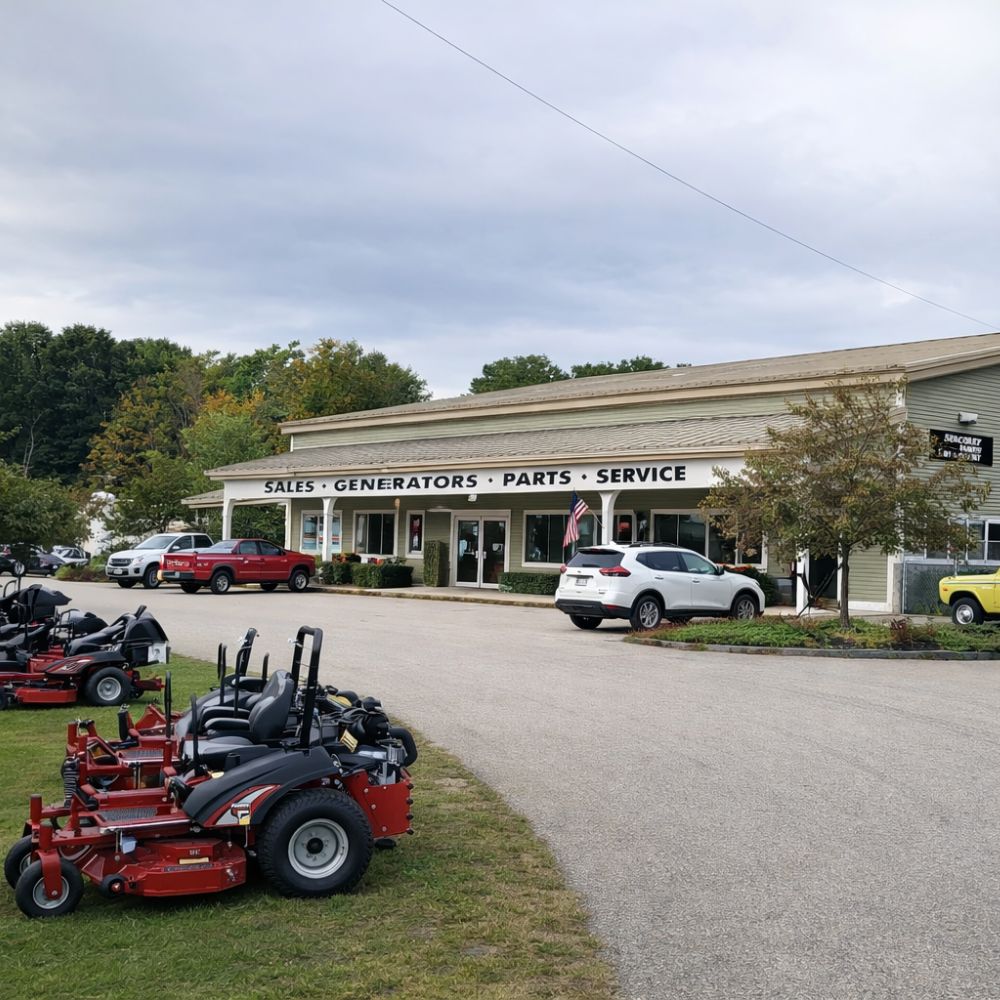
Since 1965, Seacoast Power Equipment has served the seacoast community for nearly 60 years. This longevity reflects consistent service quality, honest recommendations, and technical expertise that keeps customers returning year after year.
Frequently Asked Questions About Spring Equipment Service
How far in advance should I schedule spring equipment service?
Schedule service 4-6 weeks before you’ll need equipment. For New Hampshire homeowners planning to mow in late March or early April, schedule service in early to mid-February. Commercial operators should schedule in January to ensure fleet readiness.
What’s included in a basic spring tune-up?
A comprehensive spring tune-up includes oil change, spark plug inspection and replacement, air filter service, fuel system inspection, blade sharpening and balancing, belt inspection, safety system verification, and final operational testing. Additional repairs are discussed and approved before proceeding.
How long does spring equipment service take?
During off-peak season (February through early March), typical turnaround is 24-48 hours. During peak season (late March through April), expect 10-14 days due to service volume and parts availability.
Do you offer pickup and delivery service?
Yes, pickup and delivery service is available throughout the seacoast region including Portsmouth, Rye, Hampton, Exeter, Stratham, and surrounding towns. Schedule pickup when booking your service appointment.
Can you service equipment I didn’t purchase from you?
Absolutely. Factory-trained technicians service all major brands regardless of where equipment was purchased. Seacoast Power Equipment provides all-brand service capability for Honda, Toro, Stihl, Husqvarna, Ferris, and other major manufacturers.
What if major repairs are needed during spring service?
Technicians provide written assessment of needed repairs with cost estimates. You approve any work beyond basic tune-up before proceeding. For older equipment requiring expensive repairs, honest recommendations help you decide between repair and replacement.
Should I bring handheld equipment at the same time as my mower?
Yes, coordinating service for multiple pieces of equipment reduces trips and streamlines spring preparation. Schedule one pickup for mowers, trimmers, blowers, and other equipment needing service.
Do you service commercial equipment differently than residential equipment?
Commercial equipment receives the same thorough service but with priority scheduling through fleet programs. Commercial operators benefit from 15-25% service and parts discounts, priority service queue placement, and extended payment terms for qualified accounts.
What should I do to prepare equipment for pickup?
Clear access to equipment storage area, note specific problems or concerns, ensure equipment can be safely moved. Leave fuel in equipment but mention if fuel is old or recently refreshed.
Why does timing matter so much for spring service?
Service department capacity and parts availability change dramatically between off-peak and peak season. February service provides 24-48 hour turnaround with full parts availability. Late March service faces 2-3 week waits and potential parts delays due to high volume.
Schedule Now, Mow Without Worry: Your Next Steps
February through early March represents a unique window for spring equipment service in New Hampshire. The timing offers quick service turnaround, guaranteed parts availability, flexible scheduling, and the peace of mind that your equipment will be ready when you need it.
The alternative—waiting until equipment is needed and hoping it starts—creates unnecessary stress, extended downtime, and often higher total costs when small problems become emergency repairs.
Factory-trained technicians provide expertise across all major equipment brands. Comprehensive service procedures follow manufacturer specifications. Large parts inventory reduces service delays. Honest assessments guide repair versus replacement decisions when needed.
Ready to beat the spring rush and ensure your lawn equipment starts reliably when you need it?
Call (603) 964-8384 to schedule your spring equipment tune-up at Seacoast Power Equipment, 106 Lafayette Road, North Hampton, NH. Factory-trained technicians service all major brands—Honda, Toro, Stihl, Husqvarna, Ferris, and more—with 24-48 hour turnaround during off-peak season.
Pickup and delivery service available throughout the seacoast region. Commercial fleet programs offer priority scheduling and 15-25% volume discounts.
Don’t wait until the first warm weekend. Schedule your spring tune-up now and be ready when the grass starts growing.