
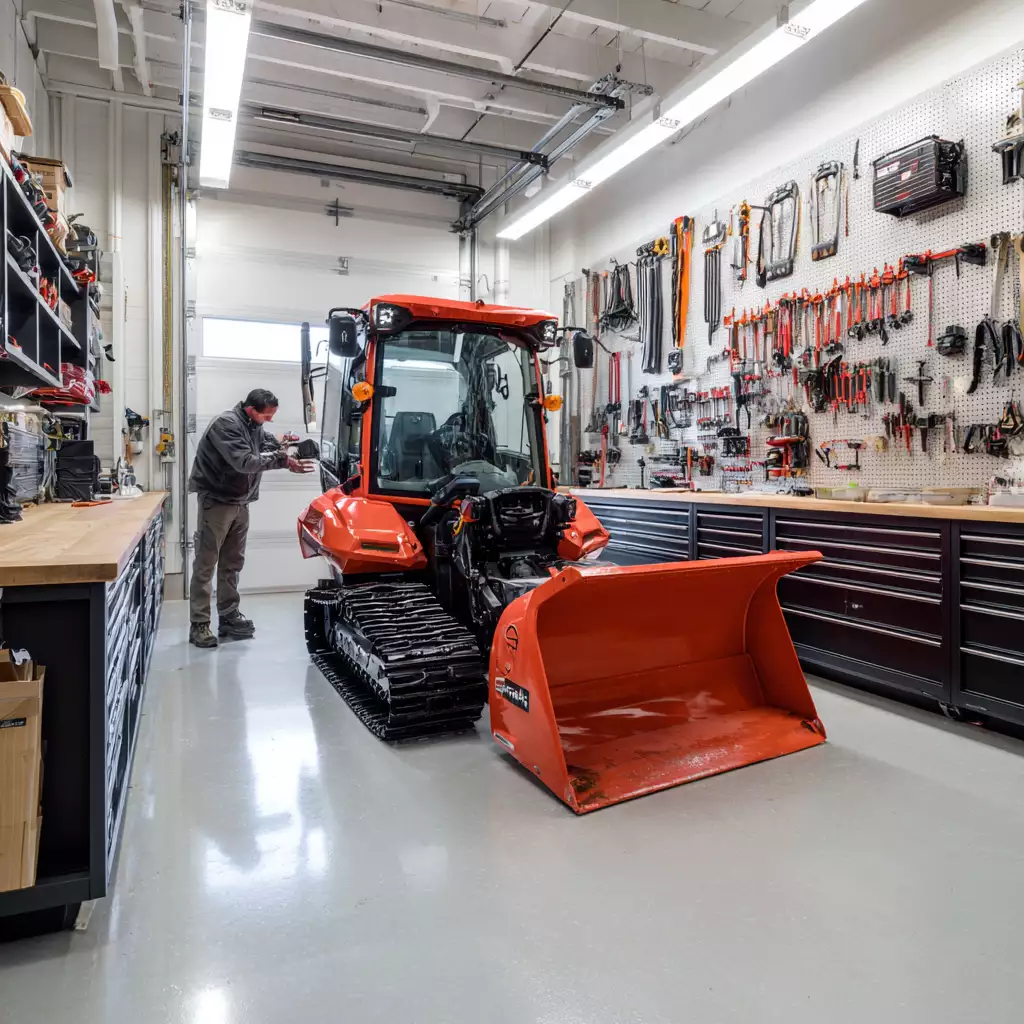
New Hampshire winters are tough. Snow falls fast, temperatures drop overnight, and your property maintenance schedule doesn’t stop for the weather. That’s why winter fleet maintenance isn’t just about keeping machines running; it’s about keeping promises to tenants, clients, and communities that rely on you.
When your snowblowers, plows, and power equipment fail in the middle of a storm, you lose valuable time and potentially contracts. The good news? With a structured pre-season plan, you can prevent most of those headaches before the first flake falls.
This guide walks through how to prep, service, and organize your commercial snow fleet for maximum uptime and safety.
Assess and Prepare Your Fleet Early
Fleet preparation starts long before the first snowstorm. Most New Hampshire property managers begin servicing in late September or early October. That window gives you enough time to inspect equipment, order parts, and handle unexpected repairs before the season gets hectic.
Start with a simple checklist:
- List all equipment, including make, model, and serial numbers
- Note each unit’s last service date and running hours
- Check storage locations and accessibility
- Assign each crew member to a specific unit or route
Doing this early saves you time when it counts. If something needs attention, schedule your commercial equipment service directly with Seacoast Power Equipment’s Service Department before the first frost hits.
The 3 Keys to Winter Fleet Readiness
When building a winter fleet maintenance NH plan, focus on three essentials: early diagnostics, staged parts, and service partnerships.
Schedule full inspections six weeks before snowfall, stock critical spares, and partner with Seacoast Power Equipment for local, priority turnaround.
That combination keeps downtime low and productivity high through New Hampshire’s toughest months.
Six Weeks Before: Inspection and Planning
Start inspections at least six weeks before your target service start date. Each engine and attachment should be evaluated for:
- Oil condition and correct winter viscosity (check manufacturer recommendations)
- Belt tension and wear
- Spark plug cleanliness and proper gap
- Blade and auger edge wear
- Lighting and electrical connections
Battery health is critical; cold weather reduces cranking power significantly. A weak battery in November becomes a dead one by December. Load-test every battery and replace anything that shows low voltage or weak performance.
If your team runs multiple models across sites, use Seacoast Power Equipment’s bulk parts ordering option to save time and ensure consistent stock across units.
Four Weeks Before: Tune-Up and Replace Wear Parts
With diagnostics done, the next step is refreshing components that show wear. Four weeks out, complete your tune-up checklist:
- Change oil and replace filters
- Install new spark plugs if fouled or old
- Inspect belts and replace any showing fraying or cracking
- Grease all pivot points and moving parts
- Replace worn skid shoes, scraper bars, and shear pins
If you’re unsure of the correct parts or torque specs, refer to your operator’s manual or contact Seacoast Power Equipment for OEM guidance. Using the correct replacements extends the lifespan of your machine and ensures warranty compliance.
Two Weeks Before: Staging and Test Runs
As you approach the start of winter, shift focus from service to readiness. Two weeks before expected snowfall:
- Test-run every snow blower and plow to full operating temperature
- Confirm chute controls, drive engagement, and auger rotation
- Check lighting and safety switches
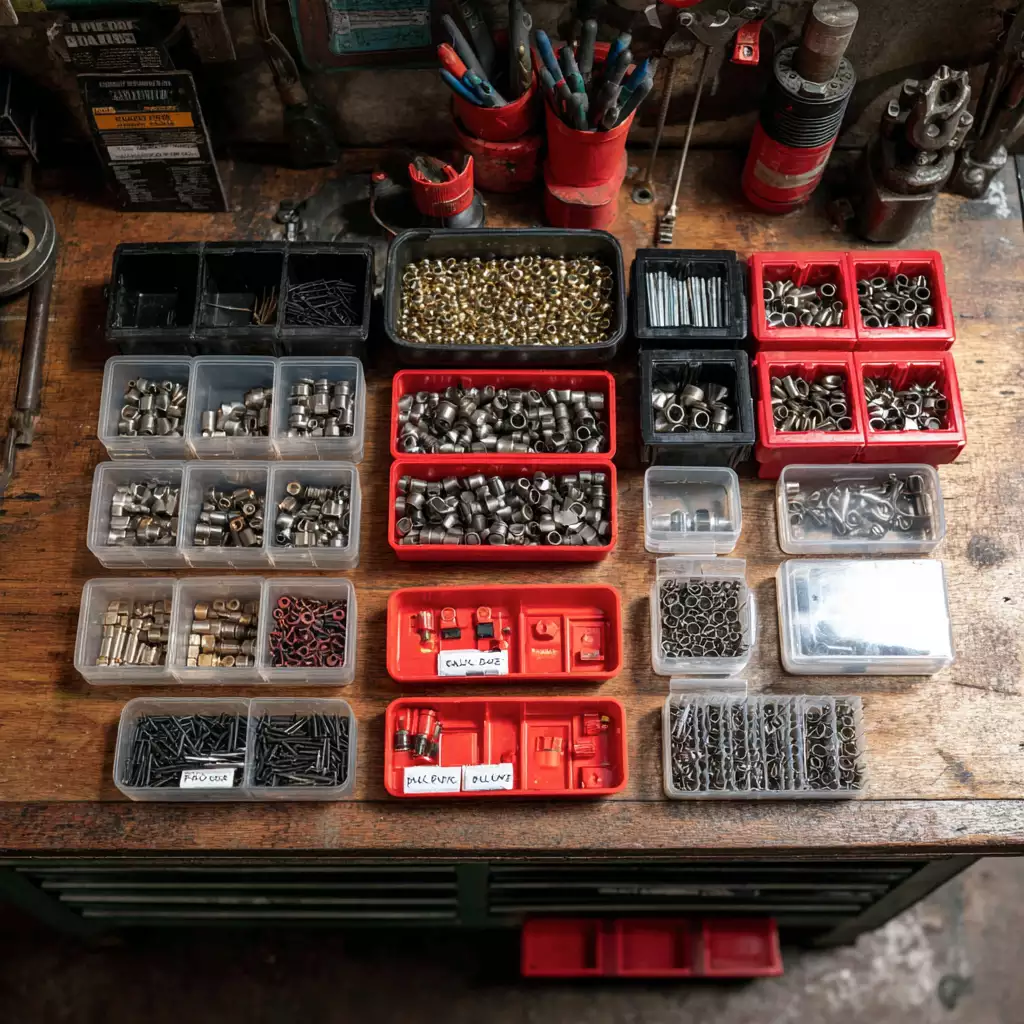
- Label fuel cans with dates and add stabilizer
- Stage backup units and spare parts at high-priority properties
Fuel management often gets overlooked. Use treated, ethanol-free gasoline when possible and cycle old fuel out before storage. It prevents varnish buildup and carburetor issues that cause hard starts in sub-zero conditions.
For properties with unheated storage, consider battery warmers or insulated wraps to protect against voltage loss.
Safety and Crew Preparation
Your crew’s safety is as critical as the machines they operate. Before the season begins, make sure every operator has:
- Cold-rated gloves, reflective vests, and eye protection
- Quick reference sheets for pre-trip inspections
- Emergency contact information
- Instructions for safe fueling and chute clearance
Walk your sites before the first snow. Identify hazards like curbs, hydrants, and uneven pavement that will get buried later. Mark these spots with reflective stakes for visibility during storms.
For more on seasonal safety, check Seacoast Power Equipment’s resource on safe snow blower operation in winter conditions.
Build Your On-Call Service and Downtime Plan
Even with the best maintenance, breakdowns can happen. What separates a minor delay from a full-blown problem is how fast you respond.
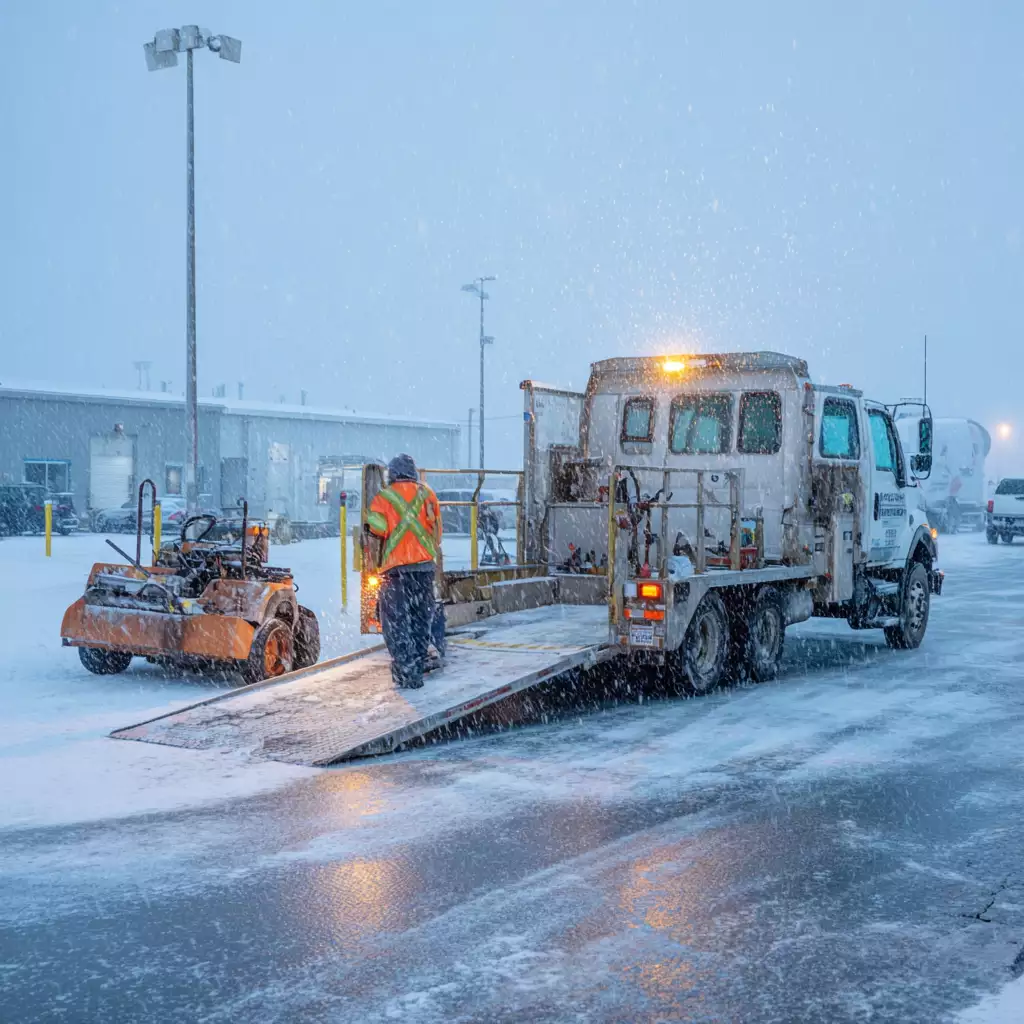
Keep Seacoast Power Equipment’s service contact saved for after-hours emergencies. They offer priority repair and pickup/delivery options for commercial clients during snow events.
If a blower or plow fails mid-storm, swap to a backup immediately and tag the downed unit for pickup. Label the issue clearly (e.g., “belt snapped,” “starter won’t engage”) so the service tech can get it back online faster.
Storing Equipment Between Storms
Proper storage during downtime prevents corrosion and saves you money on replacement parts. After each use:
- Brush off salt and slush from moving parts
- Dry the machine thoroughly to avoid freezing
- Top off fuel and add stabilizer
- Disconnect the spark plug wire for safety
- Store indoors or under a weatherproof cover
These steps are simple, but skipping them leads to seized cables, rusted impellers, and hard starts, the same issues that cost time and labor during back-to-back storms.
For extended winter care guidance, see Seacoast’s article on equipment storage and winter maintenance for New Hampshire operators.
Planning Your Spare Parts Inventory
Managing downtime means being ready when something breaks. Each crew truck should carry:
- Drive and auger belts
- Shear pins and cotter pins
- Oil, filters, and spark plugs
- Skid shoes and scraper bars
- Fuel stabilizer and approved cans
- Compact socket set and jump pack
Order in bulk if you manage multiple properties, this ensures every crew has what they need, even in multi-day storms. Seacoast Power Equipment offers bulk ordering and quick access to OEM parts throughout the season.
The Payoff: Efficiency, Safety, and Peace of Mind
A preventive approach to winter fleet maintenance in NH saves far more than just repair costs. It means fewer service delays, safer crews, and satisfied tenants who notice when their lots and walkways are cleared on time.
Think of your maintenance schedule as insurance against chaos. When everything runs right, it’s invisible, but when it doesn’t, everyone feels it.
FAQ: Winter Fleet Maintenance NH
What should be included in a winter maintenance plan?
Include inspections, oil and belt changes, part staging, safety training, and a downtime plan. Schedule service six weeks ahead to avoid seasonal backlogs.
How often should commercial snow equipment be serviced in NH winters?
Service intervals depend on usage, but snow blowers and plows should be checked every 25 operating hours or after each major storm for wear and lubrication.
What’s the best fuel for winter operations?
Use ethanol-free gasoline or properly treated fuel with stabilizer. This prevents carburetor clogs and cold start problems during extended storage.
Can Seacoast Power Equipment pick up and service multiple units at once?
Yes. Commercial clients can schedule fleet pickup and delivery for seasonal maintenance or mid-storm emergencies, depending on availability.
Keep Your Fleet Storm-Ready
Stay ahead of the next storm. Contact Seacoast Power Equipment today to schedule your winter fleet maintenance NH service or request commercial parts support. Our team helps New Hampshire property managers keep operations moving, no matter how harsh the season gets.