
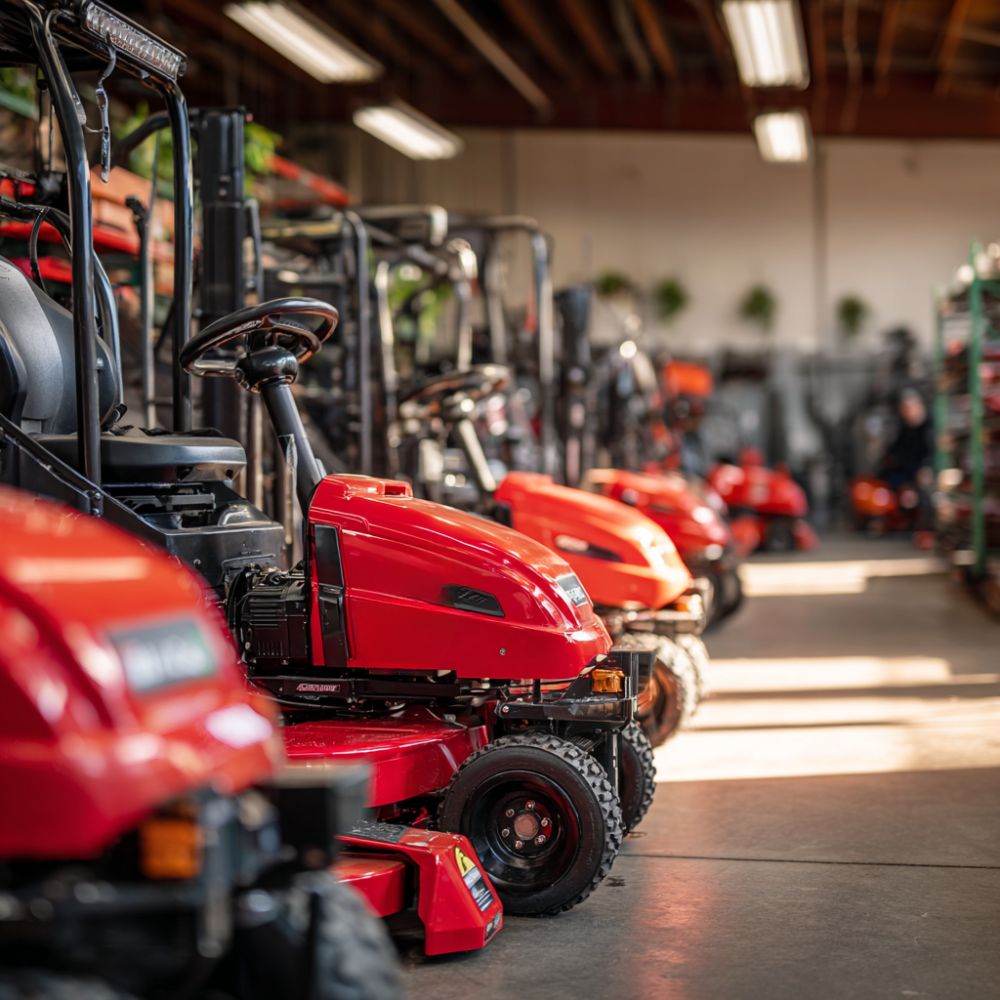
Equipment failure during peak mowing season costs commercial landscapers far more than inconvenience. A single zero-turn mower sitting in the service department for a week during May represents $5,000 to $7,000 in lost crew revenue. When you multiply that across multiple machines, the financial damage becomes severe enough to threaten business viability.
Professional landscaping operations succeed or fail based on equipment reliability. The difference between profitable spring operations and constant firefighting often comes down to preparation timing. Businesses implementing systematic fleet preparation starting in January operate smoothly through spring chaos, while operations waiting until March pay premium prices for rushed service and lose profitable work weeks.
Revenue Impact of Equipment Downtime
A three-person crew generates approximately $800 to $1,200 per day in revenue depending on your market and service mix. Spring maintenance mowing, property cleanups, mulching installation, and bed preparation all require functional equipment. When your primary commercial mower fails, crew productivity drops 50 to 70 percent immediately.
Calculate your actual daily crew revenue by multiplying average job value by daily job completion rate. A crew running three residential maintenance accounts per day at $80 to $120 per account generates $240 to $360 daily. Add spring cleanup work at $300 to $500 per property, and daily revenue climbs substantially. Equipment downtime means direct revenue loss: three days down equals three days of income gone.
Emergency service costs compound the problem during peak season. Rush service fees add significant premiums to normal service rates. Priority scheduling moving your equipment ahead of residential customers carries additional costs. Expedited parts shipping increases standard parts pricing substantially. These emergency premiums are entirely preventable with proper planning.
Commercial zero-turn rental equipment costs substantial daily fees when primary machines fail. Week-long rentals during repairs eat directly into profit margins while absorbing lost productivity.
Client relationship damage carries the highest long-term cost. Missing scheduled maintenance visits forces rescheduling and opens doors for competitors. Commercial property managers, HOAs, and municipal contract holders have zero tolerance for unreliability. Losing one major account can mean significant annual revenue loss that affects business viability.
Commercial fleet spring preparation should start in January with Tier 1 equipment service, continue through February with backup equipment and parts stocking, and conclude by March 1st with complete operational readiness. This 60-day timeline prevents peak-season failures and maximizes profitable spring revenue for New Hampshire landscaping professionals.
Preventive Maintenance Return on Investment
Consider a commercial zero-turn representing $12,000 to $18,000 investment. Comprehensive spring service costs $150 to $250 depending on condition. That service investment equals roughly 1 to 2 percent of equipment value annually.
Compare that to breakdown costs. A single three-day equipment failure during peak season costs $2,400 to $3,600 in lost crew revenue, plus $450 to $750 in rental equipment, plus $100 to $200 in emergency service premiums. Total cost: $3,000 to $4,500 for one breakdown.
The $200 preventive maintenance investment prevents potential $3,000-plus emergency situations. Return on investment exceeds 15:1. This calculation becomes even more compelling across entire fleets.
Strategic 60-Day Preparation Timeline
Successful fleet preparation starts in January, not March. This timeline maintains operational capacity while ensuring every machine receives needed attention.
January: Priority Equipment Assessment (Days 1-30)
January marks serious spring preparation for professional operations. This month focuses on revenue-generating primary equipment that must be operational when spring demand arrives.
Week 1-2: Fleet inventory and prioritization. Create comprehensive equipment lists including make, model, hours, last service date, and known issues. Assign priority tiers to every piece. Tier 1 equipment generates revenue directly: commercial mowers, zero-turns, primary trimmers and blowers. Tier 2 equipment provides backup capacity. Tier 3 equipment serves specialized needs.
Week 3-4: Tier 1 equipment service begins. Commercial zero-turns and primary mowers go to service first. Coordinate staggered service scheduling so you’re never without all equipment simultaneously. If you operate six commercial mowers, schedule three for service during weeks 3-4 while keeping three operational.
Schedule service appointments now, before service departments book solid for spring. Commercial operators should leverage priority service programs most dealers offer to established accounts. These programs typically provide 15 to 20 percent service discounts, priority scheduling ahead of residential customers, and extended payment terms for qualified accounts.
Parts ordering for known issues should happen immediately. If December operation revealed transmission problems, belt slippage, or engine issues, order parts now. January parts availability is excellent. March parts availability becomes problematic as dealers nationwide order identical common failure items.
Understanding proper equipment storage during service periods helps protect your investment. Professional operators recognize that proper equipment maintenance during off-season periods prevents costly spring surprises.
February: Secondary Equipment Preparation (Days 31-50)
February shifts focus to backup equipment, handheld tools, and support systems.
Week 1-2: Handheld equipment service. Commercial-grade string trimmers, backpack blowers, hedge trimmers, and edgers receive comprehensive attention. Two-stroke engines require particular focus: carburetor cleaning, spark arrestor screens, fuel line replacement, and fresh fuel mixture. Schedule handheld service as batch work when possible, bringing multiple units at once.
Battery-powered equipment needs charging system verification, battery health testing, and replacement for batteries showing reduced capacity. Lithium-ion batteries degrade over time. A battery performing adequately last season may lack sufficient capacity for full-day commercial use this season.
Week 3-4: Backup mowers and utility equipment. Tier 2 mowers, secondary zero-turns, and walk-behind equipment receive service attention. These machines might not run daily, but they’re critical when primary equipment fails or work volume exceeds normal crew capacity.
Specialty equipment preparation happens during this window. Aerators, overseeders, dethatchers, and other seasonal equipment receive service now, before spring aeration rush begins. This equipment often sits unused for months, making pre-season service essential for reliable operation.
Commercial operators benefit from understanding commercial equipment maintenance schedules that align with manufacturer specifications and seasonal demands.
Late February: Parts Inventory and Crew Training (Days 51-60)
The final preparation period focuses on systems, inventory, and crew readiness.
Parts inventory stocking. Review last season’s parts consumption and stock high-use items. Commercial operations should maintain inventory of common wear items: mower blades (minimum 2 sets per machine), trimmer line (6 to 8 spools minimum), air filters (1 to 2 per machine), spark plugs (2 to 3 per machine type), drive belts for primary mowers, hydraulic oil and engine oil (5-gallon quantities), and 2-stroke fuel mix.
This parts inventory prevents mid-day shutdowns when a blade hits a rock or a belt snaps. Parts inventory cost is minimal compared to sending a crew home early because a $15 blade isn’t available.
Crew training and equipment assignments. Conduct pre-season crew meetings covering equipment care, daily maintenance procedures, problem identification, and safety protocols. Assign primary equipment to specific crew members building familiarity and accountability. Review proper starting procedures, daily pre-operation checks, and end-of-day maintenance routines.
Safety equipment inspection ensures compliance. Verify that safety glasses, hearing protection, work gloves, and high-visibility vests are available and in good condition for all crew members.
Equipment Prioritization Strategy
Not all equipment is equally critical to commercial operations. Strategic prioritization ensures revenue-generating equipment receives attention first.
Tier 1: Revenue-Critical Equipment
Commercial zero-turn mowers represent highest priority. These machines directly generate revenue and have highest daily utilization rates. Service all commercial zero-turns first, staggering service scheduling to maintain operational capacity.
Primary stand-on mowers for commercial operations follow immediately. These machines serve similar roles and require similar attention.
Commercial-grade walk-behind mowers for properties requiring them get priority service. If your client base includes gated areas, fenced yards, or properties where larger equipment can’t access, these machines are revenue-critical despite smaller size.
Primary string trimmers and edgers (minimum one per crew) require reliable operation. Spring edge definition and trimming constitute substantial portions of early-season revenue.
Backpack blowers for debris management after mowing and spring cleanup work are essential to completing jobs properly.
Tier 2: Backup and Secondary Equipment
Secondary mowers providing capacity during peak volume periods or backup during primary equipment service need attention after Tier 1 equipment is handled.
Backup handheld equipment—extra trimmers, additional blowers, secondary edgers—provides insurance against primary equipment failure.
Utility vehicles and transport equipment support operations but don’t directly generate revenue. Service these after primary equipment is confirmed operational.
Tier 3: Specialty and Seasonal Equipment
Aerators, overseeders, and renovation equipment serve important but intermittent needs. Service these machines before their specific season, but they’re lower priority than daily-use equipment.
Specialty tools—hedge trimmers, pole saws, chainsaws—receive service based on your specific service mix and regional demand.
The key principle: service equipment in the order it generates revenue. A machine running 40 hours weekly takes priority over equipment running 5 hours monthly.
Commercial Service Programs and Fleet Benefits
Established commercial operators should leverage dealer commercial programs providing substantial value beyond retail service options.
Volume Discount Structures
Most dealers structure commercial discounts in tiers based on annual parts and service spending. Higher spending levels typically unlock better discount rates throughout the year.
Calculate your projected annual spending across equipment purchases, parts, and service. If you’re close to a discount threshold, strategic timing of purchases can bump you into higher discount tiers, saving money throughout the year.
Priority Service Benefits
Commercial priority service provides tangible operational advantages. Front-of-line service positioning means your equipment gets serviced before residential customers, even during peak season. Same-day or next-day emergency service for established commercial accounts prevents extended downtime. Access to loaner equipment during extended repairs keeps crews operational when major repairs exceed 2 to 3 days.
These benefits justify developing relationships with single service providers rather than shopping service among multiple dealers. Priority service relationships become insurance against catastrophic downtime scenarios that can cripple commercial operations.
Professional operators understand that choosing reliable local service providers offers advantages that big box stores and online retailers cannot match.
Fleet Maintenance Contracts
Some dealers offer fleet maintenance contracts bundling service for multiple equipment units at negotiated rates. These contracts typically include scheduled seasonal service for specified equipment quantities, discounted hourly rates for repair work, priority parts ordering and availability, and detailed service records for fleet management.
Contracts provide budget predictability and ensure service receives proper attention rather than being deferred during busy periods.
Parts Planning for Service Insurance
Commercial operators should maintain strategic parts inventory minimizing downtime from common failures.
Critical Spares to Stock
Mower blades deserve largest inventory investment. Stock at least two complete blade sets per mower. At $40 to $60 per set, this represents $240 to $360 for a three-mower operation—trivial expense compared to shutting down a crew because a blade broke and no replacement is available.
Drive belts for primary mowers prevent common failures. Belts wear predictably based on hours and usage. Stock one spare belt per primary mower. When a belt begins showing wear cracks or glazing, replace it immediately and order a replacement for inventory.
Air filters (2 per machine type) ensure clean engine operation. Filters are inexpensive, but attempting to run without one or with severely clogged filters causes expensive engine damage.
Spark plugs (multiple per engine type) are cheap insurance. Stock 4 to 6 plugs for each engine type you operate. At $3 to $8 per plug, this represents minimal investment for maximum uptime insurance.
Trimmer line deserves bulk purchasing. Commercial string trimmer usage consumes substantial line. Buy by the 3-pound or 5-pound spool rather than small consumer packages. Bulk buying provides significant savings compared to small package pricing.
Understanding proper parts selection and quality differences helps commercial operators balance cost with reliability requirements.
Pre-Season Parts Orders
Review equipment hours and maintenance schedules to anticipate parts needs. Equipment approaching major service intervals (100, 200, 500 hours) will need specific parts. Order these items in late winter before spring demand creates backorders.
Common wear items across your entire fleet should be ordered in bulk. Negotiate bulk pricing with your parts supplier. Ordering multiple air filters at once typically yields better pricing compared to buying one at a time throughout the season.
Establishing parts accounts with next-day delivery saves time and money. Most commercial parts suppliers offer account terms with next-day delivery for established customers. This service is invaluable when parts are needed quickly but not emergency-immediately.
Crew Training for Equipment Longevity
Equipment lasts longer and performs better when operators understand proper use and basic maintenance. Pre-season crew training provides substantial return on investment.
Daily Pre-Start Procedures
Establish mandatory daily pre-start routines for all equipment. Commercial mower pre-start should include visual inspection for loose hardware, leaks, or damage; engine oil level verification (check daily, add as needed); hydraulic oil level check on zero-turns; tire pressure visual check; and safety system verification (brake function, blade engagement controls).
Handheld equipment pre-start requires checking fuel mixture date (discard fuel older than 30 days), air filter condition inspection, throttle and kill switch operation, and cutting attachment security verification.
These 2 to 3 minute pre-start procedures catch most problems before they cause failures during operation. An operator noticing oil level dropping day-to-day can add oil and report a developing leak. Without daily checking, that same leak causes engine seizure when oil runs critically low.
End-of-Day Maintenance
Establish end-of-day routines protecting equipment overnight. Cleaning accumulated grass from mower decks, around engines, and from air intake areas prevents rust, fire hazards, and overheating. Fuel system care for 2-stroke equipment means running carburetors dry or using fuel stabilizer for equipment stored more than 3 to 4 days.
Reporting problems immediately allows morning service rather than discovering failures when loading for the day’s work. A crew member noticing a mower smoking slightly or making new noises at day’s end can report it for evening or early morning diagnosis. Discovering that same problem at 7 AM when trying to load for the first job causes schedule chaos.
Professional operations benefit from understanding proper seasonal equipment care that extends machine life and prevents premature failures.
Problem Recognition Training
Train crew members to recognize common failure symptoms before they become complete breakdowns. Engine problems often show warning signs: excessive smoke (oil burning or worn rings), power loss under load (fuel delivery or compression issues), overheating (cooling system blockage or low coolant), or unusual noises (bearing failure, loose components).
Cutting system issues have clear symptoms. Vibration indicates unbalanced or damaged blades. Uneven cutting suggests deck damage or bent spindles. Slipping belts show as intermittent blade disengagement or reduced power transfer.
Hydraulic system problems on zero-turns manifest as fluid leaks, weak or slow drive response, or unusual noises from hydraulic pumps or wheel motors.
Crew members understanding these symptoms can report developing problems before they cause complete failures. The difference between replacing a $40 belt and rebuilding a $400 transmission often comes down to whether the operator reports belt slipping or ignores it until failure causes collateral damage.
Service vs. Replacement Decisions
Spring preparation sometimes reveals equipment reaching the end of economically viable service life. Making strategic replacement decisions is as important as scheduling service.
The 50 Percent Rule for Repairs
If repair costs exceed 50 percent of equipment replacement value, seriously consider replacement rather than repair. A $600 transmission repair on a mower worth $2,500 is reasonable. The same $600 repair on a mower worth $800 represents poor investment—you’ll have $1,400 invested in an old machine still worth only $800 to $1,000.
Factor in equipment hours and age. High-hour commercial equipment (1,500-plus hours) needing major repairs should be critically evaluated. Every repair extends service life, but at some point you’re perpetually repairing rather than operating.
Consider total annual repair costs. If you’ve invested $500 in repairs over the past year and now face another $400 repair, you’re spending $900 annually to keep a machine running. Compare that to financing new equipment with predictable monthly payments.
Trade-In Timing Strategy
Dealers offer best trade-in values on working equipment before major repairs are needed. A mower with slipping transmission but still operational has trade value. The same mower after transmission fails completely has minimal value.
Pre-season trade-ins often coincide with dealer inventory pushes. January through March, dealers want to move previous year’s models before new model year inventory arrives. This timing pressure creates negotiating leverage for equipment trades.
Fleet turnover strategies improve reliability and reduce total cost of ownership. Consider implementing systematic replacement schedules—trade out highest-hour equipment every 2 to 3 years while values remain strong. This approach maintains relatively young fleets with minimal unexpected failure rates.
Emergency Service Planning
Despite thorough preparation, equipment failures happen. Strategic planning minimizes the impact of inevitable failures.
Backup Equipment Strategy
Commercial operations should maintain adequate backup capacity for their fleet size. Three primary commercial mowers should have at least one backup mower available. This backup equipment might be older, smaller, or slower, but it keeps crews operational when primary equipment fails.
Backup equipment doesn’t need to match primary equipment exactly. A smaller commercial zero-turn or even a high-end residential mower can keep a crew partially productive during primary equipment service.
Emergency Service Contacts
Establish relationships with service providers before emergencies occur. Know who offers same-day or next-day emergency service for commercial accounts. Understand their emergency service fees and availability during peak season.
Keep a list of equipment rental sources for true emergencies. When major equipment failures require extended service, equipment rental prevents complete crew shutdown.
Mobile service providers sometimes offer on-site repairs for minor issues. Know which problems can be addressed on-site versus which require shop service.
Understanding typical repair turnaround times helps set realistic expectations and plan accordingly during peak season.
Communication Protocols
Establish clear protocols for crew members to report equipment problems immediately. A developing issue reported early morning allows service scheduling and crew rerouting. The same problem reported mid-day after equipment fails completely provides no flexibility.
Client communication protocols prepare customers for occasional schedule disruptions. Professional clients understand equipment failures happen. What they don’t forgive is poor communication and missed commitments without explanation.
Factory-Trained Technicians for Commercial Equipment
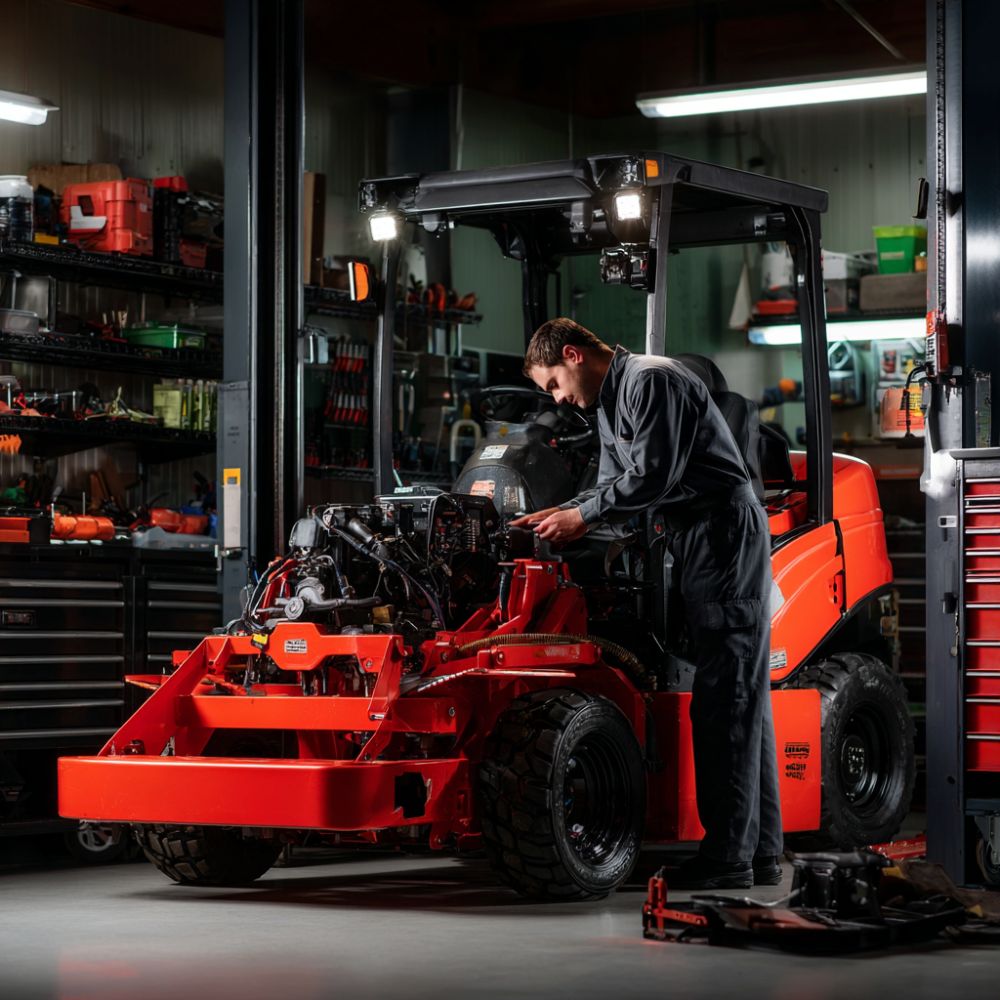
Commercial equipment represents substantial investment and generates critical revenue. Service quality directly impacts operational success.
Factory-trained technicians understand manufacturer-specific service procedures, common failure modes for specific equipment models, and proper diagnostic approaches for complex systems. This expertise catches problems generic repair shops miss.
Commercial-grade equipment differs substantially from residential equipment. Hydraulic drive systems, heavy-duty transmissions, commercial-spec engines, and reinforced construction require specialized knowledge. Technicians experienced with commercial equipment provide more thorough service than shops primarily serving residential customers.
Warranty service capability matters for newer equipment. Factory-trained technicians at authorized dealers can perform warranty service keeping factory warranties valid. Unauthorized service sometimes voids manufacturer warranties, creating expensive problems.
Parts availability at full-service dealers typically exceeds independent shops. Large parts inventory means faster service turnaround. When parts must be ordered, authorized dealers typically receive priority shipping from manufacturers.
Service documentation for fleet management provides records of maintenance history, repair costs, and equipment condition. These records inform replacement decisions and prove maintenance compliance if equipment is sold or traded.
Seacoast Power Equipment Commercial Fleet Programs
Seacoast Power Equipment has served commercial landscaping operations throughout New Hampshire’s seacoast region since 1965. Our commercial fleet programs provide professional operators with priority service, technical expertise, and parts support needed for reliable spring operations.
Program Benefits
Commercial fleet programs offer 15 to 25 percent discount tiers based on annual spending volume, priority service scheduling moving commercial equipment ahead of residential customers, extended payment terms for qualified commercial accounts, and access to loaner equipment during extended repairs.
Factory-trained technicians provide expertise across all major commercial brands: Toro, Ferris, Honda, Husqvarna, Stihl, and more. Our technicians understand specific demands of commercial equipment and provide service keeping fleets operational.
$150,000-plus parts inventory ensures critical parts availability without extended wait times. Common wear items are always in stock. Most repair parts for commercial equipment are available immediately or within 24 to 48 hours.
Pickup and delivery service throughout the seacoast region eliminates transportation logistics. We pick up equipment for service and deliver it when service is complete, minimizing time spent coordinating equipment transport.
Service Area
We serve commercial landscaping operations throughout coastal New Hampshire including Portsmouth, North Hampton, Rye, Hampton, Exeter, Stratham, and surrounding communities. Southern Maine and northern Massachusetts commercial operations also access our service programs.
Frequently Asked Questions
When should commercial landscaping fleets schedule spring equipment service in New Hampshire?
Commercial fleets should begin spring equipment service in January, starting with Tier 1 revenue-generating equipment like commercial zero-turns and primary mowers. February focuses on backup equipment and handheld tools. All equipment should be service-ready by March 1st before peak season demand arrives. Early scheduling ensures priority service slots and prevents extended turnaround times when service departments become overwhelmed in March and April.
How much does equipment downtime cost commercial landscaping businesses?
A three-person landscaping crew generates approximately $800 to $1,200 in daily revenue. When primary equipment fails, productivity drops 50 to 70 percent immediately. A single equipment failure during peak season results in lost crew revenue, equipment rental costs to maintain operations, and emergency service premiums—substantial costs that are entirely preventable with proper spring preparation.
What parts inventory should commercial landscapers maintain for their fleets?
Commercial operators should stock at least two complete blade sets per mower, one spare drive belt per primary mower, 2 air filters per machine type, 4 to 6 spark plugs per engine type, and 6 to 8 spools of trimmer line. This parts inventory prevents mid-day crew shutdowns from common failures. The investment is minimal compared to downtime costs.
How do commercial fleet service programs benefit New Hampshire landscaping businesses?
Commercial fleet programs provide 15 to 25 percent discount tiers on parts and service, priority scheduling ahead of residential customers, same-day or next-day emergency service for established accounts, access to loaner equipment during extended repairs, and extended payment terms. These benefits justify building relationships with single service providers rather than shopping among multiple dealers. Priority service relationships prevent catastrophic downtime during peak season.
Should I repair or replace commercial mowing equipment?
If repair costs exceed 50 percent of equipment replacement value, seriously consider replacement rather than repair. A $600 transmission repair on a mower worth $2,500 is reasonable. The same repair on a mower worth $800 represents poor investment. Factor in equipment hours and total annual repair costs. High-hour equipment (1,500-plus hours) needing major repairs should be critically evaluated. Systematic fleet turnover every 2 to 3 years maintains reliability and reduces total cost of ownership.
What makes factory-trained technicians important for commercial equipment service?
Factory-trained technicians understand manufacturer-specific service procedures, common failure modes for specific equipment models, and proper diagnostic approaches for complex systems. Commercial-grade equipment differs substantially from residential equipment with hydraulic drive systems, heavy-duty transmissions, and commercial-spec engines requiring specialized knowledge. Factory-trained technicians at authorized dealers can perform warranty service keeping factory warranties valid, while unauthorized service sometimes voids manufacturer warranties.
Your Spring Preparation Action Plan
Successful commercial operators start spring preparation in January, not March. This strategic timing ensures equipment reliability when it matters most—during your most profitable operating season.
January priorities: Assess fleet condition, schedule Tier 1 equipment service, order parts for known issues, and establish commercial service accounts with priority providers.
February priorities: Service secondary and backup equipment, stock critical parts inventory, conduct crew training on equipment care and problem recognition, and verify all equipment is operational and ready.
By March 1: Every piece of primary and backup equipment should be serviced, tested, and ready. Crews should be trained. Parts inventory should be stocked. Your operation should be positioned to capture maximum revenue from spring demand without equipment-related interruptions.
The difference between struggling through spring equipment problems and operating smoothly at maximum profitability comes down to preparation timing. Commercial operations implementing systematic 60-day preparation consistently outperform those waiting until equipment is needed and hoping it works.
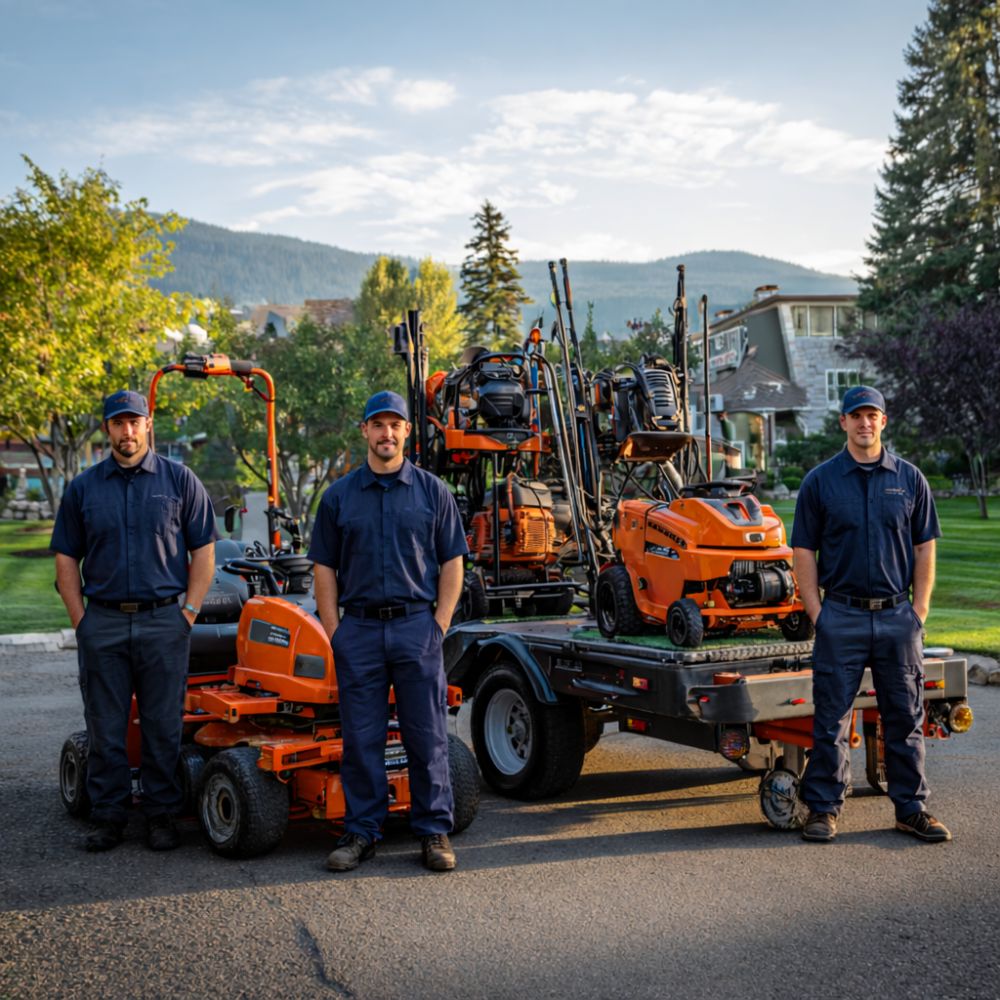
Contact Seacoast Power Equipment for Commercial Fleet Service
Ready to establish a commercial fleet service relationship supporting your spring operations? Call (603) 964-8384 to speak with our commercial service coordinator, or visit Seacoast Power Equipment at 106 Lafayette Road, North Hampton, NH. Priority service scheduling for commercial fleet accounts is available now.
Nearly 60 years serving New Hampshire’s commercial landscaping professionals. Factory-trained technicians. $150,000-plus parts inventory. Priority service programs. Pickup and delivery available. All major brands serviced.
Don’t let equipment failures cost you profitable spring revenue. Schedule your fleet preparation now.