
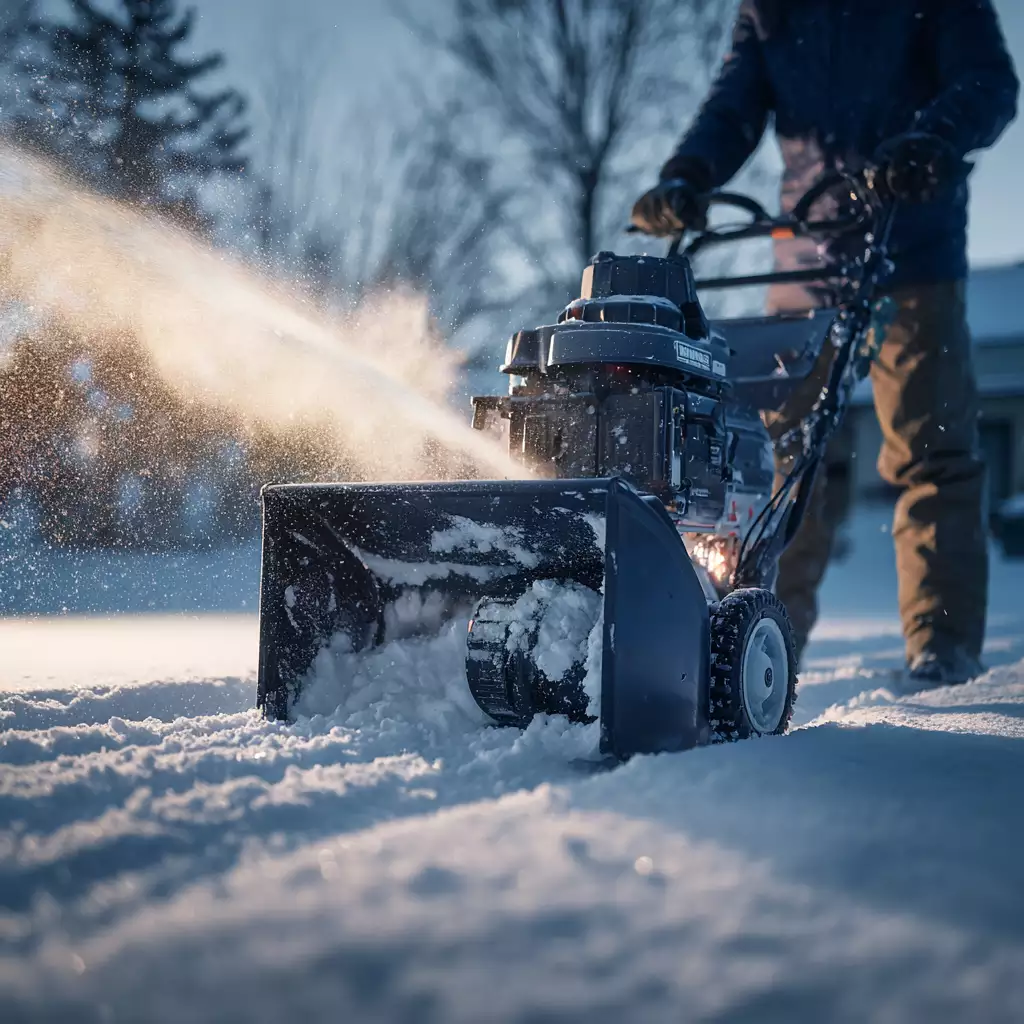
Who This Guide Helps
If you’re a homeowner keeping a snowblower or generator ready, or a small farm owner depending on compact tractors and tools, this guide is for you. Light commercial operators such as landscapers and property managers will also find these cold-weather engine maintenance tips helpful during winter in New Hampshire.
We focus on preventing small engine hard start problems and maintaining dependable performance through smart fuel, oil, spark, and battery care.
How to Prevent Hard Starts in the Cold
Five steps make the biggest difference:
- Use fresh fuel with a winter fuel stabilizer, and top off the tank.
- Switch to winter-appropriate oil and replace the oil filter.
- Inspect or replace spark plugs and check ignition connections.
- Maintain the battery with a trickle charger and clean terminals.
- Follow a reliable cold-start checklist before each use.
Following these habits dramatically reduces cold-start frustration and extends engine life.
Why Small Engines Struggle in the Cold
Oil Thickens
As temperatures drop, oil flows more slowly. Cold, thick oil increases cranking resistance and delays lubrication. Multi-grade oils like 5W-30 are designed for winter starts because they flow easily at low temperatures. Most small-engine manuals recommend switching to SAE 5W-30 oil when operating below 40°F (4°C).
Fuel Behavior Changes
Old gasoline oxidizes and forms varnish that clogs carburetor jets. Ethanol-blended fuel can also absorb moisture and cause phase separation. In cold weather, these issues often lead to hard starts or rough idling. Fresh, stabilized fuel is the easiest way to prevent these fuel-related issues.
Batteries Lose Strength
At freezing temperatures, battery output can drop by half. Slower cranking speed means weaker spark and lower ignition power. Keeping batteries charged and stored warm makes all the difference for electric-start equipment.
Fuel System Preparation That Prevents Problems
Use Fresh Gasoline and a Winter Stabilizer
Start winter prep with fresh gasoline no more than 30 days old. Add a fuel stabilizer at the proper ratio, then run the engine for 5–10 minutes to circulate the treated fuel. Topping off the tank reduces air space that leads to condensation inside.
Before long-term storage, close the fuel shutoff valve and let the engine run until it stops, if your equipment manual recommends it.
For a step-by-step reference on winter prep, see Seacoast’s guide on equipment storage and winter maintenance.
When Ethanol-Free Fuel Helps
Ethanol-free gasoline absorbs less moisture, making it ideal for storage in cold climates. Many New Hampshire owners prefer it for their generators and small engines that sit unused for months. Local stations sometimes sell non-ethanol blends labeled “E0.” Ask your fuel supplier about availability.
Carburetor Cleaning Before Winter
If the engine idles unevenly or stalls, old fuel may have left varnish in the carburetor. A carburetor cleaning during your winter tune-up can restore proper fuel flow.
If you notice leaks or strong fuel odors, book professional small engine repair and service with Seacoast Power Equipment. Technicians can clean or rebuild carburetors and replace worn lines or gaskets as needed.
Oil, Spark, and Battery Basics for Winter
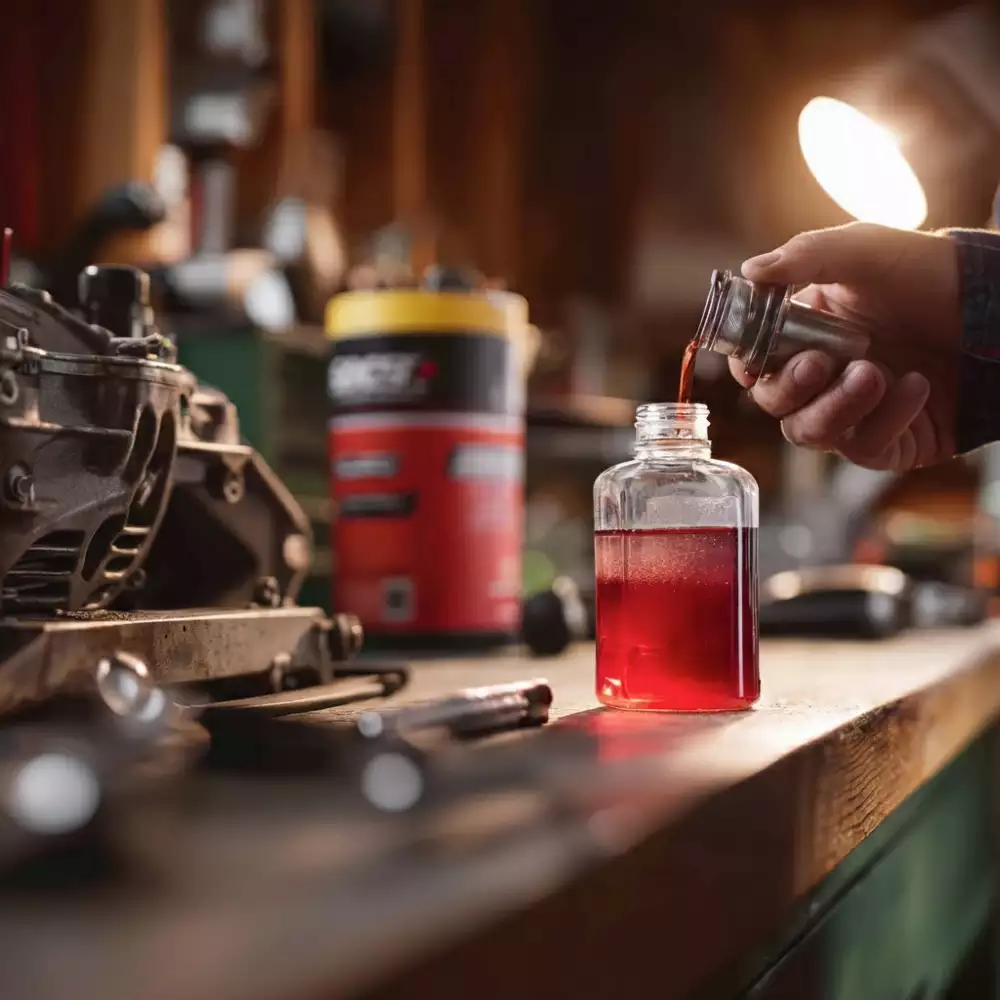
Choose Winter-Appropriate Oil
Use oil designed for low temperatures. 5W-30 or 0W-30 works well for most small engines operating in subfreezing conditions. Synthetic oils improve cold flow even further and resist oxidation during long storage periods. Always change oil before winter if it’s been a full season since your last service.
For timing guidance, read Seacoast’s article on oil change intervals for small engines.
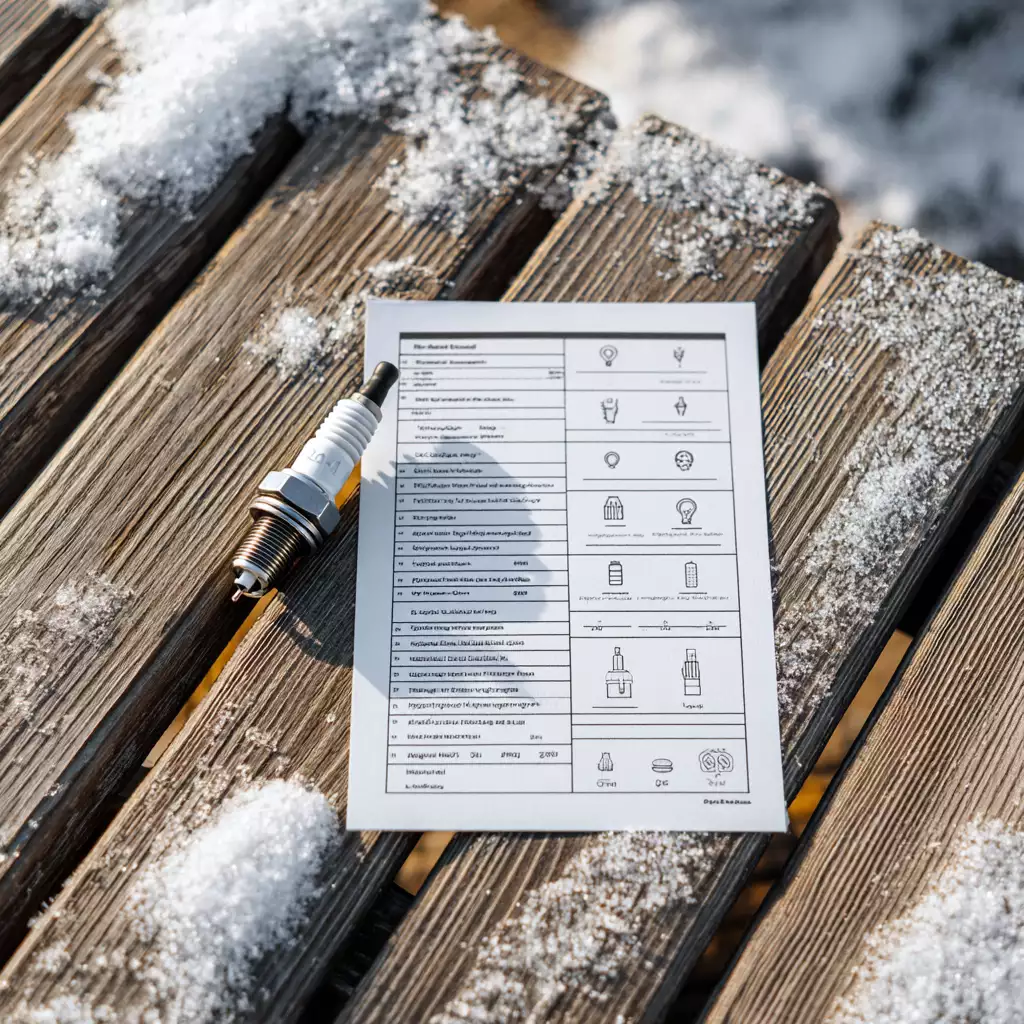
Inspect Spark Plugs and Ignition
Remove the spark plug and inspect the electrode. A clean, tan-colored tip means healthy combustion. If it’s dark or fouled, replace it. Check the gap using a feeler gauge according to your manual.
Confirm that plug wires are tight and free from cracks. Weak connections can cause intermittent sparks, especially in cold, damp conditions.
Maintain and Store Batteries Correctly
Keep batteries fully charged using a maintainer during long storage. Clean terminals, apply anti-corrosion spray, and check for secure mounting.
If equipment stays in an unheated shed, remove the battery and store it indoors. Charge it monthly or leave it connected to a smart charger. The Seacoast team can test your battery during a winter tune-up for peace of mind.
Cold-Start Techniques That Actually Work
Follow these proven steps to improve start success:
- Check the fuel level and open the shutoff valve.
- Prime the carburetor according to your manual.
- Set the choke to the “Start” position.
- Adjust the throttle to “Fast” or start setting.
- Pull the recoil handle smoothly or use the starter motor.
- As the engine catches, slowly move the choke toward “Run.”
- Allow the engine to warm up for a minute before applying load.
Avoid repeated, aggressive pulls if it doesn’t start quickly—pause and recheck fuel, choke, and spark.
Safety Note: Only use starting fluid if your owner’s manual approves it. Apply sparingly in a well-ventilated area and never indoors.
For more winter prep tips that support better starts, visit Seacoast’s winter equipment care guide.
Generator Care During Cold Weather
Exercise Schedule and Load Testing
Run your generator monthly for 20–30 minutes under load. This keeps fuel fresh and ensures the starter and carburetor remain functional. Apply a moderate electrical load, about 50% of capacity, to warm components fully.
Check extension cords, transfer switches, and outlets for corrosion or damage before each storm.
For additional detail, review Seacoast’s guide on generator maintenance and reliability.
Fuel and Oil Considerations
Treat gasoline-powered generators with stabilizer just as you would other equipment. Change oil and filter at least once each winter or after 50 hours of use. For diesel units, check anti-gel additive requirements per the manufacturer’s recommendation.
When to Seek Service
If your generator shows hard starts, surging idle, or fails to hold steady voltage, it’s time for a winter tune-up. Seacoast Power Equipment technicians inspect fuel systems, clean carburetors, and test batteries for proper cranking power.
For homeowners comparing backup options, see Seacoast’s article on home generator sizing and selection.
When to Call a Professional
If these issues persist, schedule expert service:
- Hard starts despite fresh fuel, oil, and spark checks
- Fuel leaks, cracks, or strong varnish odor
- Flooding carburetor or surging idle
- Primer bulb damage or broken choke linkage
- Weak spark or frequent fuse failures
The Seacoast team offers winter tune-ups, carburetor cleaning, and battery testing across New Hampshire. Schedule service conveniently through the Seacoast Power Equipment repair page.
Quick Troubleshooting Reference
- No sound or slow crank: Battery discharged or terminal corrosion
- Cranks but won’t fire: Closed choke, empty fuel line, bad spark plug
- Starts then stalls: Clogged fuel filter, water in fuel, idle jet restriction
- Surging idle: Vacuum leak or governor linkage issue
- Backfire at start: Too much choke or flooded cylinder
If you see multiple symptoms, stop and schedule a professional inspection to avoid further damage.
Seasonal Checklist for New Hampshire
Before Winter:
- Add fuel stabilizer to fresh gasoline
- Top off tanks or drain per manual
- Change oil and filter
- Replace spark plug and air filter
- Charge and clean the battery
- Inspect belts, cables, and shear pins on snow blowers
- Grease moving parts
During Winter:
- Exercise generators monthly under load
- Keep batteries charged
- Store fuel in approved containers in a ventilated area
- Wipe down equipment after each storm
After Heavy Storms:
- Inspect for leaks or loose hardware
- Check intake screens for ice buildup
- Note any unusual noise or vibration for follow-up service
Local Note for New England Owners
New Hampshire winters combine freezing temperatures, humidity, and coastal moisture—all hard on small engines. Storing equipment dry, keeping fuel stabilized, and maintaining batteries are the best defenses against midwinter breakdowns. Keep a log of service dates and fuel treatments to stay ahead of issues.
Frequently Asked Questions
Why do small engines struggle to start in cold weather?
Oil thickens, fuel vaporizes poorly, and batteries lose capacity, all reducing ignition strength. These combined effects make starting more difficult in freezing temperatures.
What fuel stabilizer should I use for winter storage?
Any high-quality stabilizer labeled for gasoline engines will work. Add it to fresh fuel, then run the engine briefly to distribute it through the system.
How often should I start my generator during winter?
Once a month under a moderate load is ideal. Regular exercise keeps internal parts lubricated and verifies system readiness.
Is ethanol-free fuel better for storage?
Yes. Ethanol-free gasoline is less likely to absorb moisture or degrade over time, making it preferable for seasonal storage.
What temperature is too cold for starting?
Below 0°F, most small engines struggle if oil and batteries aren’t winter-prepped. Using winter oil and a charged battery can extend reliable starting to subzero conditions.
Stay Ready for Every Start This Winter
Preventing hard starts is easier than fixing them. Fresh, stabilized fuel, clean oil, a strong spark, and a charged battery make the biggest difference when temperatures fall.
If your engine shows signs of hesitation or you need professional help with a winter tune-up, contact the team at Seacoast Power Equipment. They handle small engine repair, generator maintenance, and winter prep for homeowners and small farms across New Hampshire.
Book your winter service today through the Seacoast Power Equipment service page:
For more seasonal advice, see related Seacoast Power Equipment guides:
- Learn about equipment storage and maintenance before freezing temps set in.
- Get reliable generator care tips to keep power steady through storms.
- Review winter equipment care steps for snow blowers and outdoor tools.