
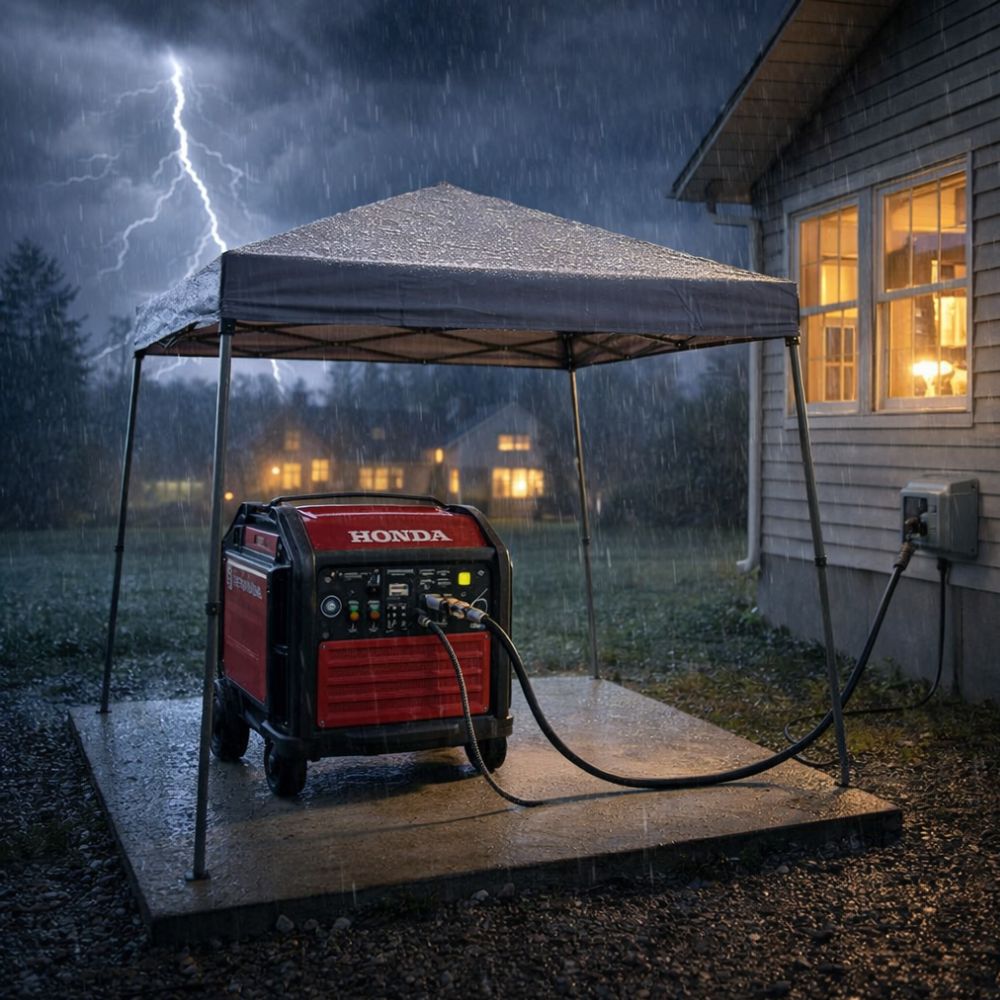
After the winter storm season ends across New Hampshire’s seacoast, many homeowners store their generators without proper maintenance, only to find them unreliable when spring storms strike. The transition from winter backup power to spring storm readiness requires specific care to keep your generator dependable through hurricane season and beyond.
New Hampshire faces power outages year-round: winter ice storms, spring nor’easters with heavy wet snow, summer thunderstorms, and hurricane threats through October. Your generator needs consistent attention to start reliably when the power fails, yet most units sit unused between emergencies without the maintenance required for dependable operation.
At Seacoast Power Equipment in North Hampton, our factory-trained technicians service all generator brands with expertise gained through nearly 60 years serving the seacoast region. As a Honda Premier Dealer, we maintain deep knowledge of premium generators while providing complete service for Generac, Champion, Westinghouse, and every other brand homeowners depend on for backup power.
Essential Generator Maintenance After Winter Storm Season
Winter operation puts significant stress on generators running hours at a time during extended outages. Post-winter service ensures your generator transitions smoothly to spring readiness rather than sitting with contaminated oil, clogged filters, and stale fuel that prevent reliable starting months later.
End-of-Winter Service Checklist
Oil Change After Heavy Use
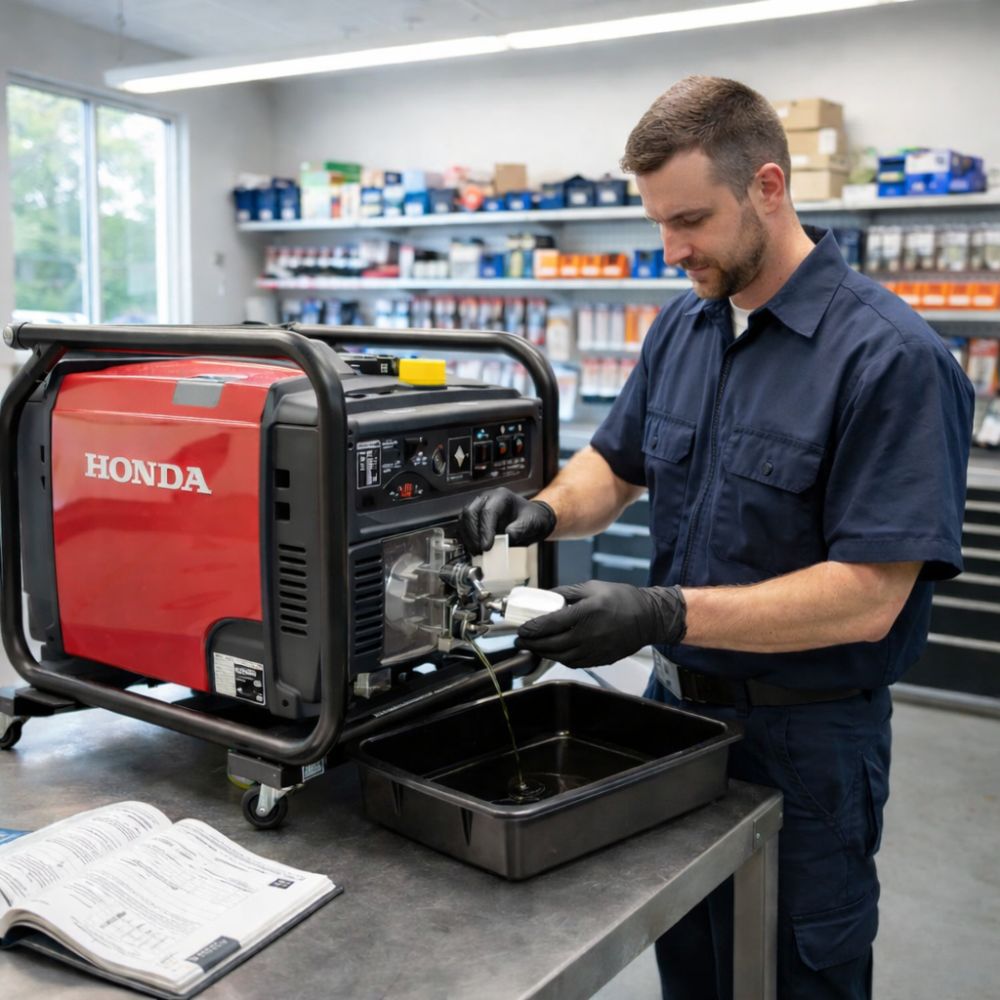
Generators used extensively during winter storms need fresh oil before storage or the spring season begins. Check your hour meter reading against manufacturer recommendations, typically every 50-100 hours for portable generators and 100-200 hours for home standby systems.
Spring temperatures require 10W-30 oil for most generators in New Hampshire. Honda generators specify 10W-30 for temperatures above 10°F. Synthetic oil provides better protection across temperature ranges and longer service intervals, though conventional oil works well with frequent changes.
Air Filter Inspection Post-Winter
Dust and debris from winter operation accumulate in air filters, restricting airflow that reduces power output and causes hard starting. Paper air filters on most portable generators cannot be washed; tap them gently to remove loose debris and replace them annually or when visibly dirty.
Clogged filters show symptoms including difficulty starting, power loss under load, black exhaust smoke, and rough running. Winter snow ingestion from improper shelter placement can saturate filters with moisture, requiring immediate replacement.
Spark Plug Service for Reliable Starting
Inspect spark plugs after the winter season, reading the electrode color: tan or light brown indicates proper operation, black carbon buildup suggests a rich fuel mixture, and white deposits indicate lean conditions. Verify the spark plug gap with feeler gauges—most small engines use 0.028-0.031 inch gaps.
Replace spark plugs annually or every 100 hours as preventive maintenance. Quality plugs cost $3-8 each, inexpensive insurance against starting problems during the next storm.
Fuel System Attention for Reliability
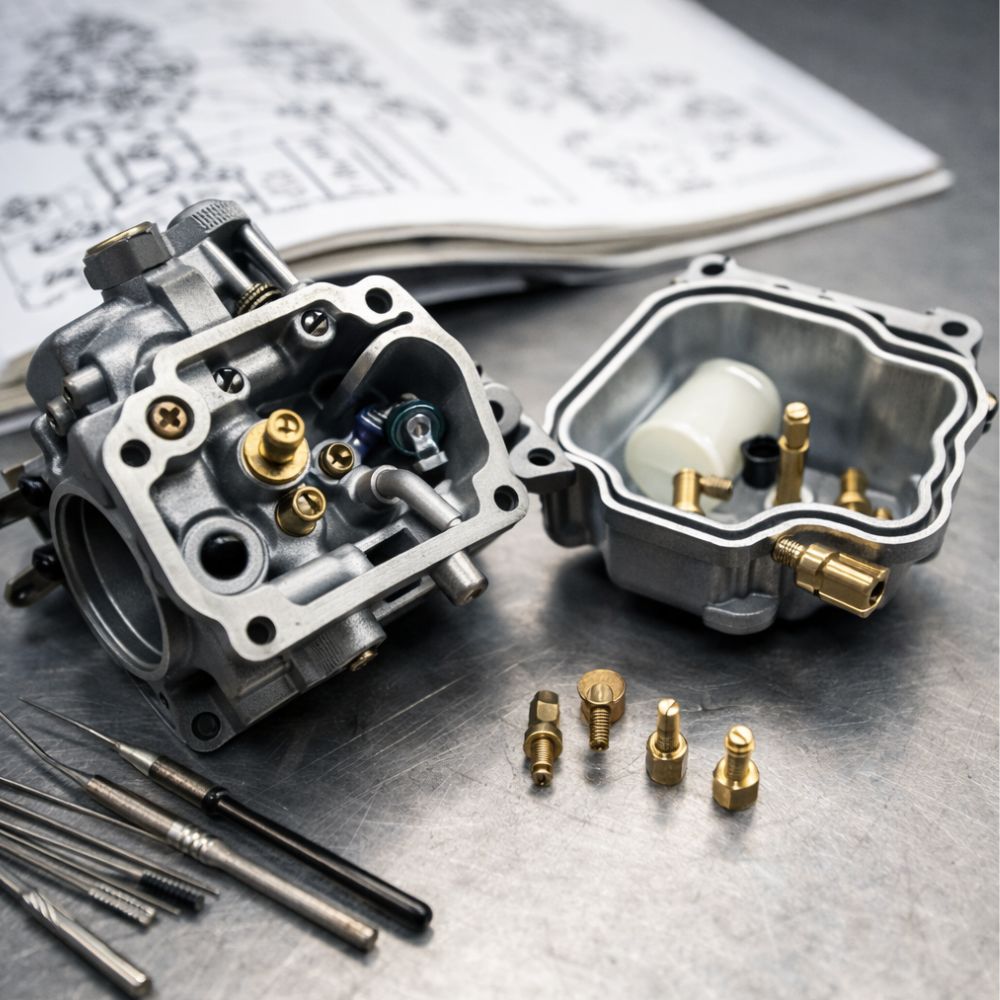
Fuel system maintenance matters most for generator reliability. Old fuel causes more starting problems than any other issue, with ethanol fuel deteriorating rapidly and causing carburetor varnish buildup that blocks tiny jets essential for starting and running.
After winter use, drain remaining fuel or add stabilizer if storing the generator between potential spring uses. Drain the carburetor bowl by running the fuel valve off until the engine stops, ensuring no fuel remains to varnish jets during storage.
Generator Storage Procedures for Off-Season
Short-Term Storage (1-3 Months Between Potential Use)
For generators needed again within three months, add fuel stabilizer to the tank at proper concentration; typically, 1 ounce treats 2.5 gallons of gasoline. Run the generator 5 minutes after adding stabilizer to circulate treated fuel through the carburetor.
Maintain generator reliability between uses with monthly 15-30 minute exercise runs under load, fuel stabilizers in stored gasoline, oil level checks before each start, and battery maintenance for electric start models. This routine prevents carburetor varnish buildup, keeps engine seals lubricated, maintains battery charge, and ensures dependable backup power when New Hampshire storms strike. Professional exercise routine setup and maintenance services are available at Seacoast Power Equipment, serving the Seacoast region from North Hampton.
Establish a monthly exercise routine, running the generator 15-30 minutes under load. Exercise prevents carburetor jet varnish buildup, lubricates engine seals that dry and leak without regular operation, charges batteries on electric start models, and uses stored fuel before significant deterioration occurs.
Cover the generator with breathable fabric covers that protect from weather and dust. Electric start generators need battery maintenance during storage—connect a battery tender to maintain proper charge without overcharging risks.
Long-Term Storage (If Not Exercising Monthly)
Generators stored for months without exercise require complete fuel system drainage. Turn the fuel valve off and operate the engine until it stops from fuel starvation, then remove the carburetor bowl drain bolt to release the remaining fuel.
Fogging oil protects cylinders during extended storage. Remove the spark plug, spray fogging oil into the cylinder, pull the starter cord slowly several times, then reinstall the plug. Battery tenders maintain charge on electric-start models through long storage periods.
Getting Your Generator Ready for Spring Power Outages
Spring storms bring different challenges than winter weather, requiring specific generator preparation to ensure reliable backup power during New Hampshire’s unpredictable spring season.
Why Spring Power Outages Are Different
Spring storm patterns across New Hampshire’s seacoast create unique outage risks. Ice storms strike with freezing rain coating trees and power lines. Late winter nor’easters dump heavy wet snow that clings to branches, breaking limbs and blocking roads to repair crews.
Outages last longer in spring as fully leafed trees catch wind and snow more effectively, falling across power lines. Soil saturation from snowmelt and spring rain makes trees more likely to fall, with root systems loosened in waterlogged ground.
Hurricane season preparation begins in spring. While peak hurricane threats strike August through October, generator preparation in spring ensures readiness through the entire hurricane season without last-minute service rushes.
Spring-Specific Generator Readiness
Load Testing After Winter Storage
Test your generator under actual household loads rather than simple no-load running. Connect critical appliances and verify the generator supplies adequate power: refrigerator/freezer (700-800W running, 2000W starting), furnace (500-1500W), well pump (1000-1500W running, 3000-5000W starting surge), lights, and small appliances (200-500W).
Portable generators require extension cord inspection. Check cords for damage, proper gauge (12-gauge minimum for 1500W, 10-gauge for 1800W+), and adequate capacity for connected loads. Undersized extension cords overheat and drop voltage.
Fuel Supply Planning
Inspect fuel storage containers for rust, deterioration, or leaking caps. Replace containers showing damage—fuel leaks create fire hazards. Use approved fuel containers with spring-loaded spouts and flame arrestors meeting safety standards.
Establish fuel rotation systems using the oldest fuel first. Date containers when filling; store treated fuel no longer than 3-6 months, even with a stabilizer. Identify local fuel sources with generator backup power before you need fuel during extended spring storms.
Propane-powered generators offer fuel storage advantages. Propane does not deteriorate like gasoline. Check propane tank levels before storm season, refilling tanks below 30% to ensure adequate fuel supply.
Placement and Ventilation Review
Carbon monoxide kills generator users every year. Review proper generator placement before spring storm season to ensure safe operation.
Position generators at least 20 feet from home structures with exhaust directed away from buildings. Never operate generators in garages, basements, porches, or attached sheds, even with doors open. Carbon monoxide is odorless and colorless, accumulating rapidly in enclosed spaces.
Choose level, dry surfaces for generator operation. Weather protection for portable generators requires balance between rain protection and ventilation. Never cover operating generators with tarps or solid covers.
Generator Exercise Routine for Reliability
Monthly generator exercise provides the single most effective maintenance for reliable starting. Generators left sitting between uses develop problems from fuel varnish, dried engine seals, dead batteries, and stale fuel: all preventable with regular exercise.
Why Generators Need to Run Monthly
Carburetor jets are tiny, smaller than pencil lead diameter on many generators. These precision passages clog easily with varnish from fuel sitting stagnant. Monthly running uses bowl fuel before significant varnish formation occurs.
Engine seals dry and shrink without lubrication from regular operation. Battery charging on electric start models requires running the generator under load. Fuel system freshness improves with monthly exercise using and replacing small amounts of stored fuel.
Proper Exercise Procedure
Run the generator 15-30 minutes minimum each month. Exercise under load, not just idling. Connect a meaningful electrical load: shop lights, a battery charger, or a household extension cord powering several devices totaling 1000-2000W.
Check oil level before each exercise session. Note any performance changes during exercise: unusual noises, rough running, smoke, or power fluctuations indicate developing problems needing attention before the generator fails during an actual outage.
Honda Generator Maintenance: Reliability Through Proper Care
Seacoast Power Equipment maintains Honda Premier Dealer status, providing expert service for Honda generators backed by factory training and genuine parts inventory. Honda’s reputation for reliability stems from engineering excellence and proper maintenance.
Why Honda Generators Lead in Dependability
Honda inverter generator technology produces clean, stable electricity safe for sensitive electronics. Traditional generators produce power with engine speed variations affecting output quality. Honda’s inverter technology converts raw power to stable electricity safe for computers, phones, medical equipment, and modern appliances.
Fuel efficiency reduces stored fuel concerns. Honda EU series generators run 8-18 hours on a single tank at quarter load, using fuel slowly and requiring less frequent refueling. Quieter operation suits residential neighborhoods—the Honda EU2200i operates at 48-57 dBA, quieter than normal conversation.
Parallel capability increases power when needed. Connect two EU2200i generators with a parallel kit for 4400W combined output. Premium Honda engines deliver legendary reliability with proper maintenance.
Honda-Specific Maintenance Requirements
Honda’s Eco-Throttle system adjusts engine speed automatically to match electrical load, maximizing fuel efficiency. Monthly exercise should include a moderate load, forcing the engine to higher speeds for a complete warm-up.
The oil alert system prevents engine damage from low oil operation. A sensor detects low oil level and shuts down the engine before damage occurs. Honda specifies oil changes every 100 hours or annually, air filter service every 100 hours, and spark plug replacement every 500 hours or annually.
Honda Generator Fuel System Care
Smaller carburetor jets in Honda inverter generators demand cleaner fuel than traditional generators. Professional carburetor cleaning involves complete disassembly, ultrasonic cleaning, and replacement of deteriorated gaskets.
Honda requires unleaded gasoline with a maximum of 10% ethanol (E10). Higher ethanol concentrations damage fuel system components and void warranties. Use fuel stabilizer in all stored fuel, adding stabilizer immediately when filling storage containers.
Pre-mixed fuel products like TruFuel or Stihl MotoMix offer ethanol-free fuel with stabilizers included. These cost significantly more than pump gasoline but eliminate fuel deterioration concerns for generators used infrequently.
Professional Service Benefits for Honda Generators
Factory-trained technicians at Seacoast Power Equipment maintain Honda Premier Dealer certification through continuous training. Genuine Honda parts inventory ensures immediate repairs without waiting for special orders.
As an authorized Honda dealer, we perform warranty repairs covered by Honda’s standard warranties. Diagnostic equipment for inverter systems requires specialized tools most service shops lack. We load test generators after service, verifying wattage output and voltage stability meet specifications.
Generator Problems and Solutions: When to Seek Professional Service
Understanding common generator problems helps you determine when DIY troubleshooting works and when professional service becomes necessary.
Won’t Start After Storage
Starting problems plague generators more than any other issue, with most causes tracing to fuel system deterioration during storage.
Old fuel causes starting problems through varnish buildup restricting carburetor jets. Drain old fuel, clean or replace the carburetor if varnished, install fresh fuel with a stabilizer, and attempt starting again.
Check spark plug condition; remove the plug and inspect for fouling, electrode erosion, or cracked porcelain. Test the spark by grounding the plug against the engine while pulling the starter cord. A strong blue spark indicates good ignition.
Stuck valves from storage prevent compression required for starting. Remove the spark plug, spray fogging oil into the cylinder, pull the starter cord slowly 10-20 times, then attempt starting.
Runs But No Power Output
Engines running normally but producing no electrical output indicate generating system problems. Circuit breakers trip when overloaded; reset tripped breakers and attempt operation at lower loads.
Brushes worn on conventional generators require replacement. Inverter module failure on inverter generators requires professional diagnosis. Overload conditions occur when connected loads exceed generator nameplate ratings.
Poor Performance or Power Fluctuation
Dirty carburetors partially restrict fuel flow, causing poor performance. Symptoms include power output loss under load, rough running, or hunting (RPM fluctuation). Professional carburetor cleaning restores performance.
Low oil levels cause serious problems. Check oil immediately if performance drops suddenly. Governor issues appear as RPM fluctuation; professional diagnosis and adjustment restore proper function.
When Professional Service Is Essential
Complete power output failure despite the engine running suggests generating system component failure. Inverter system error codes require manufacturer-specific diagnostic procedures. Oil consumption or leaking indicates seal deterioration requiring diagnosis.
Why Choose Seacoast Power Equipment for Generator Service:
All-brand service capability means we repair any generator brand—Honda, Generac, Briggs & Stratton, Echo, and others. Factory training for Honda generators through our Premier Dealer status provides specialized knowledge.
$150,000+ parts inventory on-site means immediate repairs without waiting for parts delivery. A 24-48 hour typical turnaround returns generators to service quickly. A pickup and delivery service available throughout the seacoast region eliminates transportation hassles.
Is It Time to Upgrade Your Generator?
Years of service take their toll on generators, while household electrical needs evolve beyond original generator capacity. Recognizing when replacement makes more sense than continued repairs helps you make informed decisions.
Portable vs. Home Standby Decision Factors
Portable Generator Advantages:
Lower initial cost makes portable generators accessible, ranging from $500 to $3,000 for quality units. Portability enables multiple uses beyond home backup power. “No installation required” means immediate backup power after purchase. Easy storage keeps generators out of sight between uses.
Home Standby Advantages:
Automatic operation eliminates manual starting during outages. Whole-house power capability ranges from 10,000 to 22,000 W, powering entire homes. Natural gas or propane fuel eliminates gasoline storage hassles. Weather-protected permanent installation means generators sit ready outdoors. Increased home value adds resale appeal.
Signs You’ve Outgrown Your Current Generator
Calculate the current essential load wattage against your generator’s rated capacity. If essential loads exceed generator capacity, upgrade to a higher wattage portable or consider whole-house standby systems.
When annual maintenance and repair costs approach 50% of replacement cost, replacement makes economic sense. Consider reliability criticality; older generators may fail during the next outage despite recent repairs.
Electric start portable generators eliminate pulling hard against compression. Home standby generators remove the starting process entirely with automatic operation. Honda inverter generators operate at 48-57 dBA; conversation-level quiet compared to traditional 70-80+ dBA generators.
2026 Honda Generator Lineup at Seacoast Power Equipment
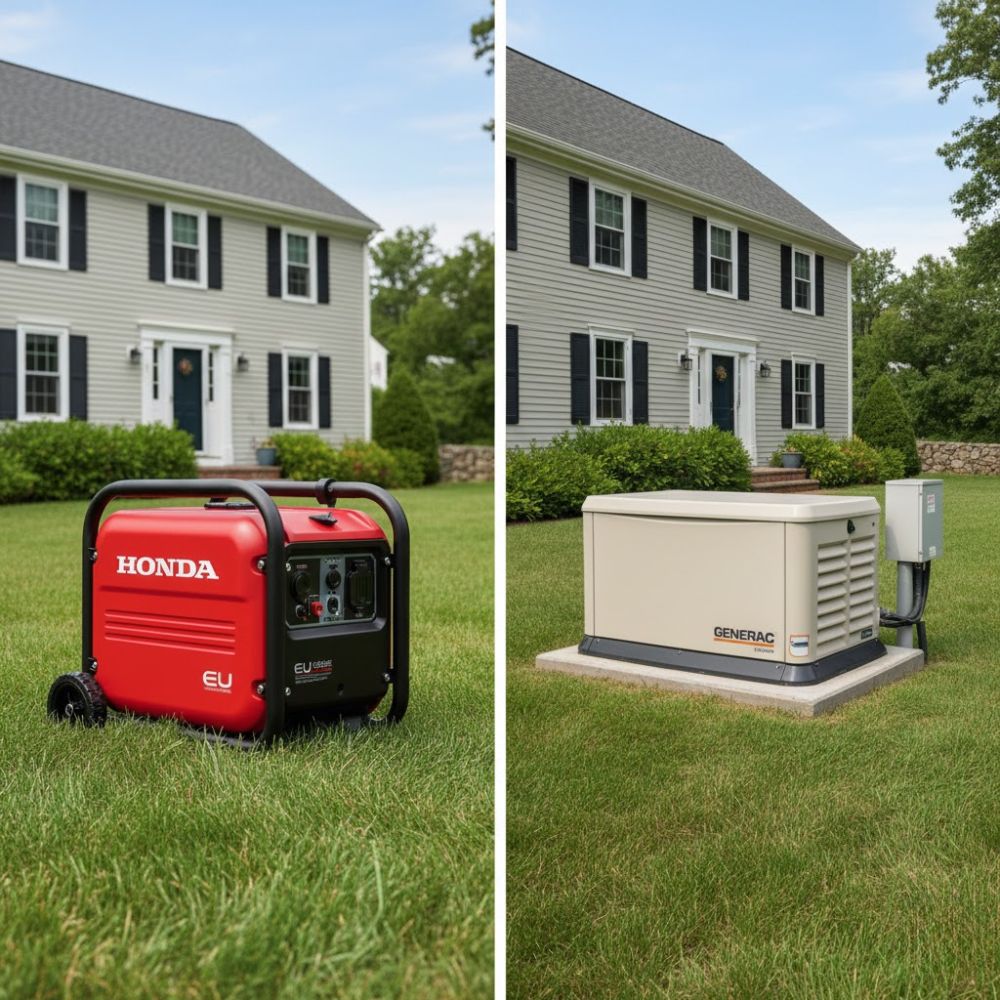
The Honda EU2200i remains the best-selling portable inverter generator. 2200W output powers refrigerators, furnaces, lights, and small appliances. A compact 47-pound weight, an 8.1-hour runtime at quarter load, and 57 dBA, a quiet operation, make the EU2200i ideal for residential backup power.
The EU7000is delivers 7000W output for serious backup power needs. It features fuel injection and electric start with recoil backup. A 16-hour runtime at quarter load provides maximum portable backup capability.
Seacoast Power Equipment partners with licensed electricians for home standby generator installations. Sizing consultations determine appropriate generator capacity for your home’s loads, evaluating electrical panel circuits and essential requirements.
Test generators on your property before purchasing through our try-before-you-buy program. Run the generator with your actual loads, verify adequate capacity, and ensure acceptable noise levels before committing to purchase.
Keep Your Backup Power Reliable Year-Round
Generator maintenance ensures reliable backup power when New Hampshire storms strike at any season. Post-winter service transitions equipment from heavy storm use to spring readiness, while monthly exercise routines prevent fuel system and engine problems that cause starting failures.
Spring storms bring unique power outage risks across the seacoast region. Heavy wet snow, ice storms, and soil-saturated conditions increase tree falls and power line damage, creating longer outages requiring dependable generator operation.
Monthly exercise provides the single most effective maintenance homeowners can perform. Running generators 15-30 minutes under load prevents carburetor varnish, maintains engine seal lubrication, charges batteries, and keeps fuel fresh.
Professional service becomes essential for complex problems exceeding typical homeowner capabilities. At Seacoast Power Equipment in North Hampton, our factory-trained technicians service all generator brands with expertise backed by nearly 60 years of serving the seacoast region.
Consider generator upgrades when age, reliability concerns, or inadequate capacity suggests replacement provides better value than continued repairs. New Honda inverter generators deliver improved fuel efficiency, quieter operation, and modern reliability with warranty protection.
Frequently Asked Questions About Generator Maintenance
How often should I change the oil in my generator?
Change generator oil every 50-100 hours of operation or annually, whichever comes first. The first oil change should occur after the initial 20 hours of break-in operation on new generators. Heavy use during extended winter outages may require oil changes mid-season if hour meters show approaching service intervals.
What type of fuel should I use in my generator?
Use unleaded gasoline with a maximum 10% ethanol content (E10) in all generators. Honda and most manufacturers specifically prohibit higher ethanol fuels like E15 or E85 that damage fuel system components and void warranties. Add fuel stabilizer immediately to all stored fuel at proper concentration.
How far should my generator be from my house?
Position generators at least 20 feet from your home with exhaust directed away from structures, windows, and doors. Never operate generators in garages, basements, porches, carports, or attached sheds, even with doors and windows open. Carbon monoxide is odorless, colorless, and deadly.
Why won’t my generator start after sitting in storage?
Generators most commonly fail to start after storage due to old fuel causing carburetor varnish buildup that blocks tiny jets essential for fuel delivery. Drain old fuel, clean or replace the carburetor, add fresh fuel with stabilizer, and replace the spark plug. Monthly exercise prevents this problem.
Can I connect my generator directly to my home’s electrical panel?
Never connect generators directly to home electrical panels without proper transfer switches. Direct connection creates deadly backfeed conditions, electrocuting utility workers and damaging your generator when utility power returns. Manual or automatic transfer switches provide the only safe connection method.
What size generator do I need for my house?
Essential load backup requires calculating the refrigerator (700W running/2000W starting), furnace (500-1500W), well pump (1000W running/3000W starting), lights (300W), and sump pump (800W running/1500W starting). These typical essential loads need 5000-7000 W portable generators. Whole-house backup requires 10,000-22,000 W home standby systems.
How long can I continuously run my generator?
Most portable generators operate continuously for their fuel tank duration (8-16 hours depending on model and load), requiring shutdown for refueling. Allow generators to cool 15-30 minutes during refueling. Home standby generators operate indefinitely with natural gas or propane connections. Check oil levels every 8-12 hours during extended operation.
Contact Seacoast Power Equipment for Expert Generator Service
Schedule your spring generator maintenance, exercise routine setup, or new generator consultation with Seacoast Power Equipment serving North Hampton and the New Hampshire seacoast region. Our factory-trained technicians service all generator brands with expertise backed by nearly 60 years of providing power equipment sales and service to seacoast communities.
As a Honda Premier Dealer, we maintain specialized knowledge of Honda inverter generator technology alongside complete service capabilities for Generac, Briggs & Stratton, Echo, and every generator brand homeowners depend on for backup power. Our $150,000+ parts inventory ensures immediate repairs without delays waiting for special orders.
Visit our North Hampton showroom to see the complete Honda EU series generator lineup, discuss whole-house standby system options, or schedule service for your current generator. We offer pickup and delivery service throughout the seacoast region for your convenience.
Seacoast Power Equipment North Hampton, New Hampshire Serving the Seacoast Region Since 1965.