
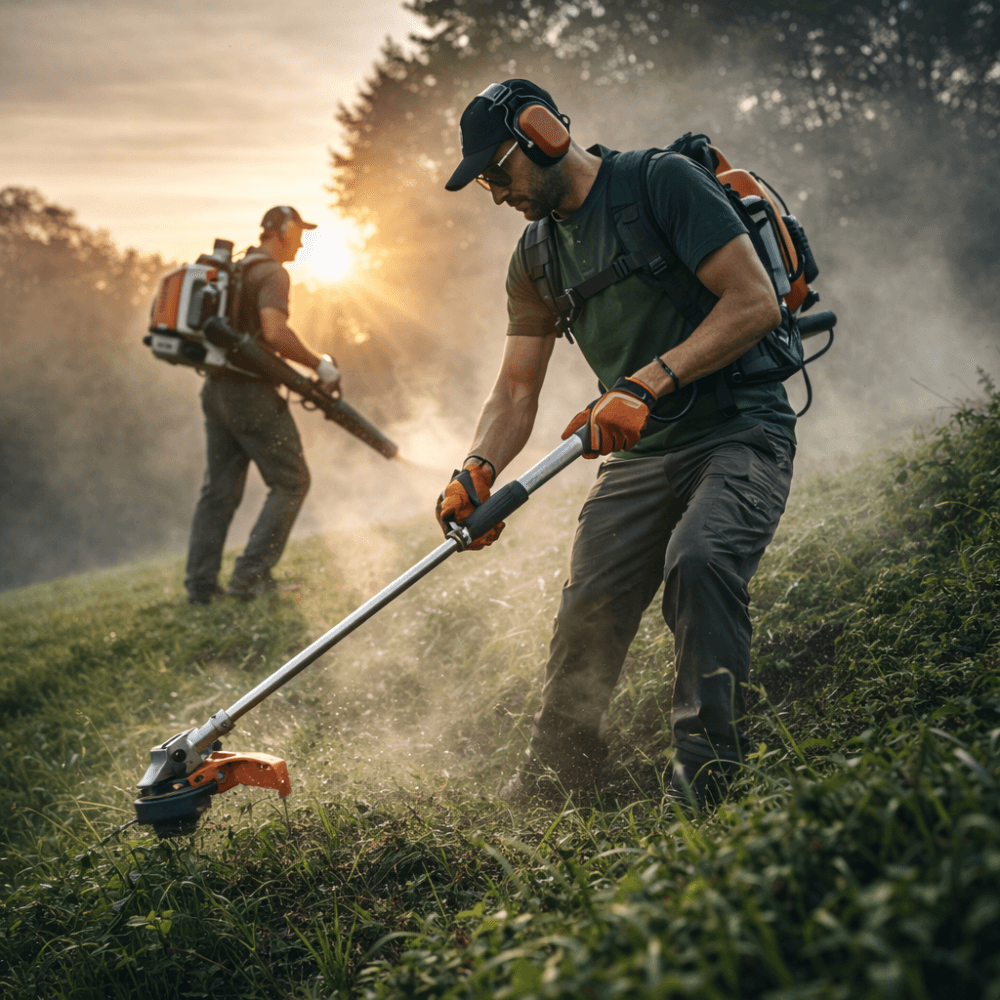
Choosing handheld power equipment often comes down to one question that affects everything else: two-stroke or four-stroke. The answer shapes how your equipment starts, how it feels during use, how you fuel it, and how you maintain it through New Hampshire’s changing seasons.
This handheld equipment buying guide focuses on real-world use of string trimmers, backpack blowers, and chainsaws. It explains how each engine type behaves, how maintenance routines differ, and what matters most for properties and crews in the Seacoast region. The goal is simple. Help you choose equipment that works the way you expect, without surprises mid-season.
Seacoast Power Equipment supports handheld equipment sales, service, and parts for customers across coastal New Hampshire. Their service department works on trimmers, blowers, and chainsaws and handles routine tune-ups, diagnostics, and repairs that keep equipment reliable year after year.
Quick clarity before you compare models
Two-stroke engines lubricate internal components using oil mixed with fuel. This design is common in handheld equipment because it allows compact engine size and lighter carry weight.
Four-stroke engines use a separate oil reservoir and run on straight gasoline. Maintenance includes checking oil levels and performing oil changes at manufacturer-recommended intervals.
Seacoast Power Equipment’s small-engine maintenance content highlights this difference as the starting point for understanding handheld equipment care.
How engine design affects everyday use
You do not need technical training to feel the difference between these engines. The design shows up in handling, upkeep habits, and long-term ownership experience.
Two-stroke engine basics
Two-stroke engines complete their operating cycle in fewer mechanical steps than four-stroke engines. Oil blended into the fuel provides lubrication as the engine runs.
What owners typically notice
- Compact engine size that suits carry tools
- Fewer routine service steps related to engine oil
- Greater importance placed on fuel quality and filtration
Seacoast Power Equipment associates two-stroke engines directly with handheld tools such as string trimmers and chainsaws because of these characteristics.
Four-stroke engine basics
Four-stroke engines store oil separately inside the engine. Fuel and oil remain separate, which changes both fueling and maintenance habits.
What owners typically notice
- Straight gasoline fueling
- Routine oil level checks and oil changes
- A steady, predictable operating feel
Seacoast Power Equipment notes that four-stroke engines require oil changes to prevent damage and are common across many types of outdoor power equipment.
New Hampshire conditions that influence engine choice
Engine selection does not happen in a vacuum. Local conditions play a role in how equipment performs and how much attention it needs.
Coastal moisture and storage
Humidity and salt air can affect metal components over time. Dry storage and seasonal inspections help prevent corrosion and starting issues. Seacoast Power Equipment’s seasonal maintenance checklist reinforces the value of cleaning and proper storage before extended downtime.
Spring growth and wet material
Early-season trimming often involves thicker, wetter vegetation. Equipment that felt adequate late last summer may feel strained during the first spring cut. Engine response and cutting consistency matter most during this period.
Cold starts and fuel care
Cold temperatures can affect any gas engine. Clean fuel, proper storage, and preseason service reduce hard starts and downtime. Seacoast Power Equipment addresses these ownership realities when comparing gas and battery equipment.
Decision flow for choosing the right engine type
Use this sequence to narrow options before comparing brands or models.
Step 1: How often will you use the tool?
- Short, occasional sessions favor simplicity and comfort.
- Frequent or extended sessions favor durability, balance, and service support.
Step 2: What fueling routine fits your habits?
- If you prefer straight gasoline and scheduled oil changes, four-stroke may feel more familiar.
- If you prefer skipping oil changes and can manage fuel handling carefully, two-stroke may fit better.
Step 3: What matters more during use?
- Quick response and lighter carry weight
- Or a steady feel with familiar upkeep routines
Actual performance depends on the specific model and how it is maintained, but this flow helps avoid poor matches.
String trimmer engine types and daily ownership
Trimmers are among the most frequently used handheld tools, so engine choice shows up quickly.
Two-stroke trimmers
Often selected for their lighter feel and compact design. Seacoast Power Equipment connects two-stroke engines with handheld tools like trimmers because they are easier to carry for longer sessions.
Typical fit:
- You value maneuverability
- You are comfortable managing fuel care
- You want fewer oil-related service steps
Four-stroke trimmers
Four-stroke trimmers follow an oil-change routine similar to other four-stroke equipment. Seacoast outlines this maintenance pattern clearly in its oil-change content.
Typical fit:
- You prefer straight gasoline
- You already maintain four-stroke equipment
- You value controlled operation over quick bursts
Engine design influences how power develops, but overall performance depends on model design, cutting setup, and maintenance condition.
Backpack blower selection and engine considerations
Blower selection should start with form factor. Engine choice comes after.
Seacoast Power Equipment explains the difference between handheld and backpack blowers and helps customers match blower style to property size and cleanup demands.
After blower style is chosen
Two-stroke blowers often fit when:
- Longer cleanup sessions are common
- Carry comfort matters
- Other two-stroke handheld tools are already in use
Four-stroke blowers often fit when:
- Straight gas fueling is preferred
- Smooth operation matters near homes
- Maintenance routines already include oil changes
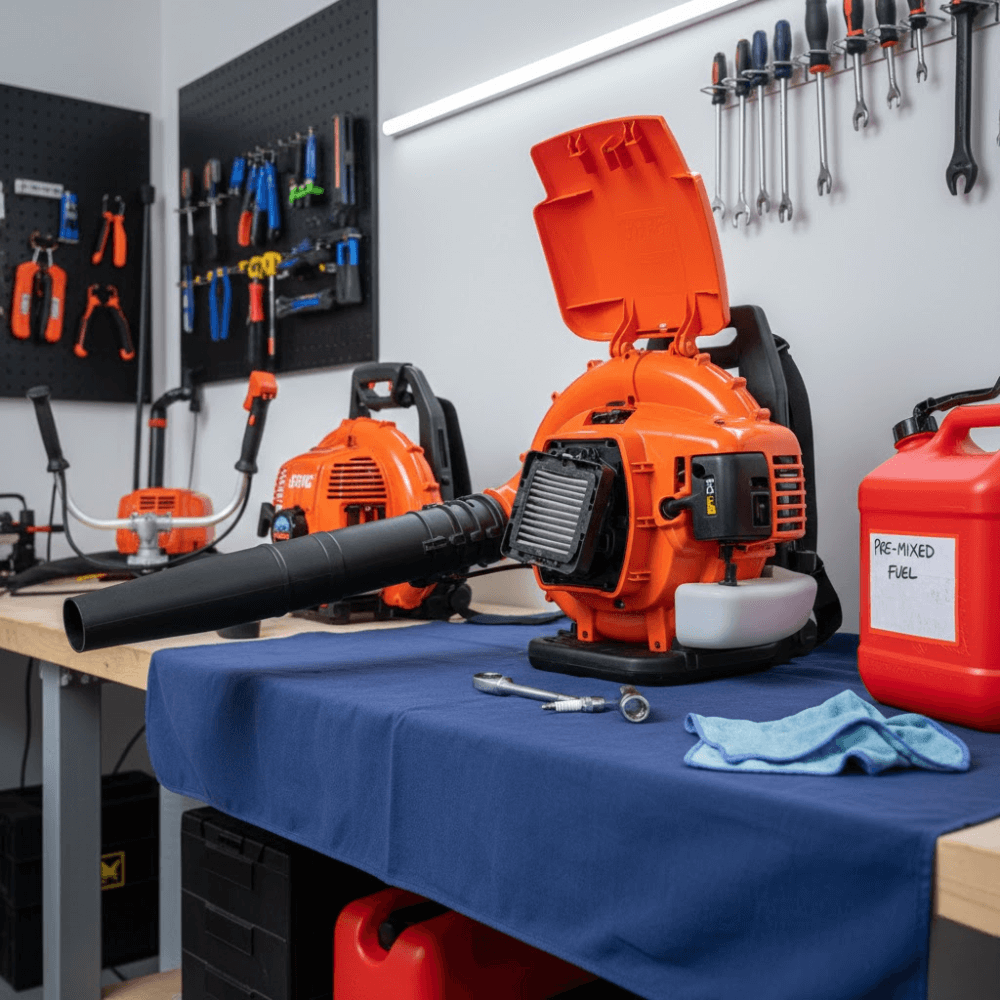
Blowers operate at sustained output, which makes airflow, filtration, and proper fueling more important than peak bursts. Seacoast Power Equipment’s service department includes ignition and compression checks during handheld tune-ups.
Chainsaw engine types and control considerations
Chainsaws place higher demands on stability and control. Engine choice must align with the type of cutting you expect to do.
Seacoast Power Equipment’s chainsaw content focuses on matching saw type to task and experience level, which should happen before engine comparisons.
Most handheld chainsaws sold today use two-stroke engines because power and weight both matter when cutting. Availability of other engine configurations depends on manufacturer offerings.
Proper setup, sharp chains, and routine inspection affect performance more than engine type alone. Seacoast Power Equipment’s service department supports chainsaw inspections and repairs.
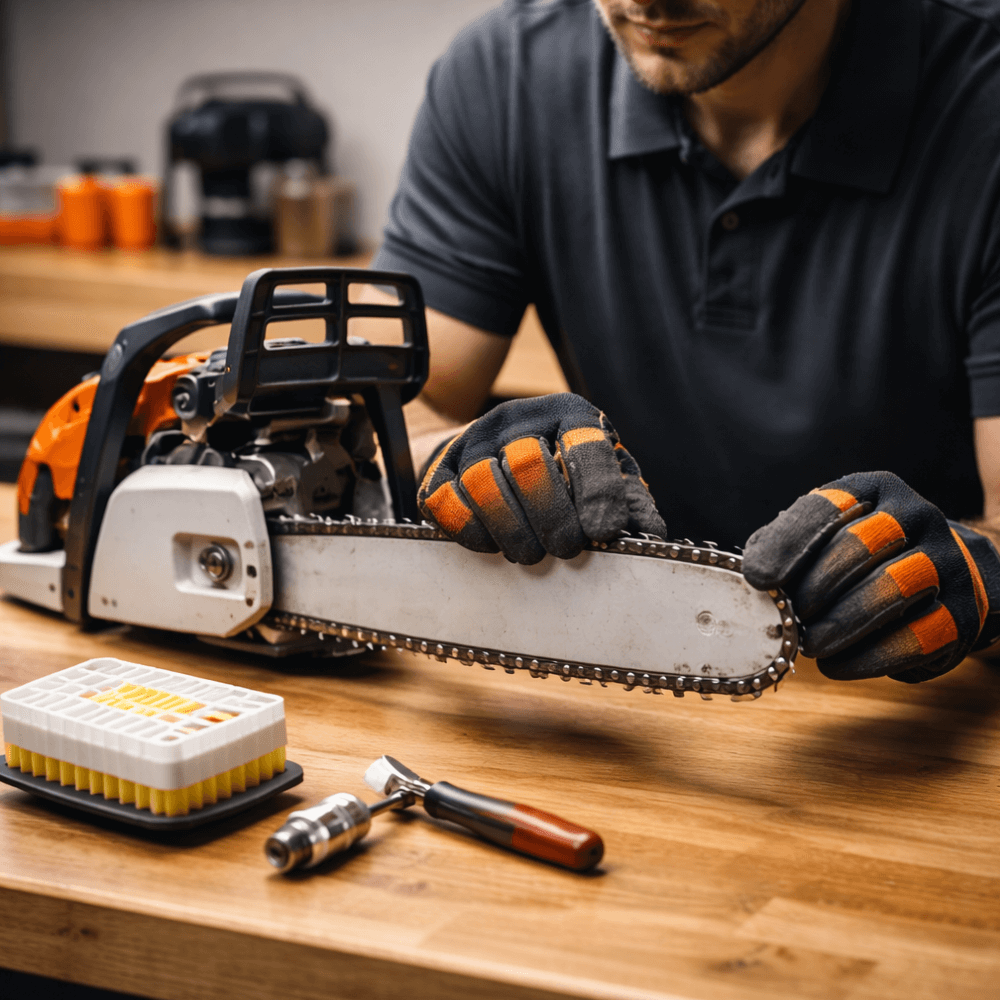
Two-stroke vs four-stroke comes down to routine and feel. Two-stroke handheld equipment relies on fuel care and filtration, while four-stroke handheld equipment relies on oil checks and oil changes. This handheld equipment buying guide explains how trimmers, blowers, and chainsaws perform in New Hampshire conditions, with local service support available through Seacoast Power Equipment.
Maintenance checkpoints that protect your investment
Two-stroke handheld equipment
- Use clean fuel and proper filtration
- Inspect spark plugs regularly
- Keep cooling areas free of debris
Seacoast Power Equipment emphasizes spark plug care and fuel quality as part of two-stroke reliability.
Four-stroke handheld equipment
- Check oil levels before use
- Change oil at recommended intervals
- Keep air filters clean
Seacoast Power Equipment advises confirming engine type if you are unsure which maintenance routine applies.
FAQ
What is the main difference between two-stroke and four-stroke handheld equipment?
Two-stroke equipment uses fuel mixed with oil for lubrication. Four-stroke equipment stores oil separately and requires oil changes.
Which string trimmer engine type is easier to maintain?
The easier option is the one that matches your habits. Two-stroke avoids oil changes but depends on fuel care. Four-stroke uses straight gas but requires oil maintenance.
How should I approach backpack blower selection?
Start with handheld vs. backpack based on property size and cleanup time. Then compare engine types within that class.
Are chainsaw engine types usually two-stroke?
Most handheld chainsaws use two-stroke engines because of power and weight considerations.
What does Seacoast include in handheld equipment service?
Diagnostics, tune-ups, ignition and compression checks, wear inspection, and engine service for trimmers, blowers, and chainsaws.
Handheld Equipment Sales, Service, and Engine Support in New Hampshire
If you are choosing between two-stroke and four-stroke handheld equipment, Seacoast Power Equipment can help match tools to your workload, storage setup, and maintenance preferences. The team supports handheld equipment sales, diagnostics, seasonal tune-ups, repairs, and OEM parts for trimmers, blowers, and chainsaws.
Contact Seacoast Power Equipment for help selecting or maintaining handheld equipment built for New Hampshire conditions.