

Ice storms can turn a quiet New Hampshire property into a tangled mess of snapped limbs, blocked driveways, and frozen debris under tension. Once the ice stops falling, cleanup becomes the next challenge.
This equipment guide focuses on ice storm cleanup equipment for coastal New Hampshire homeowners, caretakers, and property managers who need to restore access without taking unnecessary risks. You’ll learn how to size up damage, choose the right chainsaw for storm damage, manage frozen wood, and move debris efficiently using tree debris removal equipment. You’ll also see where Billy Goat debris equipment fits into larger cleanup jobs and how backup power supports storm recovery.
For help matching equipment to your situation, Seacoast Power Equipment operates out of North Hampton, NH and supports equipment sales, parts, and service for the Seacoast region. Confirm current inventory and service availability directly with Seacoast Power Equipment.
Start With a Safety Walk and a Simple Plan
Before starting any cleanup, walk the property slowly. Ice storm damage often hides hazards that are easy to miss when you rush.
Red Flags That Require Professional Help
Do not attempt cutting or removal if you see:
- Downed or tangled wires
- Trees leaning on structures
- Large limbs suspended overhead
- Split trunks or lifted root plates
- Any cleanup that would require ladder use
These conditions require specialized training and equipment. Always defer to qualified professionals when hazards involve height, structures, or utilities.
Sort Debris Into Three Working Categories
Separating debris helps determine the right tools.
Light Debris
- Twigs, small branches, scattered brush
- Often manageable with hand tools and blowers
Medium Branches
- Common driveway and yard obstructions
- Usually handled with a properly sized chainsaw and safe cutting space
Heavy Limbs
- Thick sections that can roll or spring when cut
- Only cut heavy limbs if you have space, experience, and proper protection
Restore Access Before Chasing Perfection
Cleanup works best when you focus on function first.
Prioritize:
- Safe exits from the home
- Driveway and emergency access
- Walkways near doors and vents
- Debris staging areas
- Final yard cleanup later
If a single tool is critical to your cleanup, Seacoast outlines realistic expectations during peak season in their breakdown of average equipment repair timelines.
Chainsaws for Storm Cleanup: Choosing the Right Fit
Ice storm conditions change how chainsaws perform. Frozen wood increases resistance, debris near the ground dulls chains faster, and tensioned limbs behave unpredictably.
For a deeper look at saw categories, Seacoast explains differences in chainsaw types suited for different tasks and experience levels.
Chainsaw Options Available Through Seacoast
Seacoast carries chainsaws from brands such as STIHL and Husqvarna, along with other manufacturers shown on their equipment listings. Specific models and bar lengths vary by season and availability.
You can review brand offerings and then confirm availability using chainsaw options suited for storm cleanup needs.
Choose a Bar Length You Can Control
Longer bars increase fatigue and risk if you are not experienced.
A practical rule:
- Match bar length to the largest branch you can safely cut on the ground
- Avoid oversizing for “just in case” scenarios
Recommended bar length depends on user experience, branch diameter, and saw power. Confirm with Seacoast staff before purchase.
Sharp Chains Matter More After Ice
Ice, grit, and frozen bark dull chains quickly.
Plan for:
- Spare sharp chains
- Bar and chain oil
- A sharpening plan
If cold starts have been an issue, Seacoast explains cold weather engine steps that prevent hard starts.
Chainsaw Safety During Ice Storm Cleanup
Storm cleanup increases injury risk when fatigue and cold set in.
Personal Protective Equipment Is Not Optional
Plan to use:
- Helmet with face protection
- Eye and hearing protection
- Chainsaw chaps or protective pants
- Gloves with grip
- Boots with winter traction
If snow equipment is also in use during cleanup, Seacoast reinforces safe winter habits in their overview of essential snow equipment safety practices.
Cutting Frozen and Tensioned Wood
Ice storms often leave limbs bent under load.
Safer cutting steps:
- Clear footing and an exit path
- Identify support points
- Make relief cuts before finishing
- Allow wood to settle between cuts
Avoid:
- Overhead cutting
- Standing on logs
- Cutting near bystanders
These steps reduce common risks but do not eliminate hazards. Follow manufacturer instructions at all times.
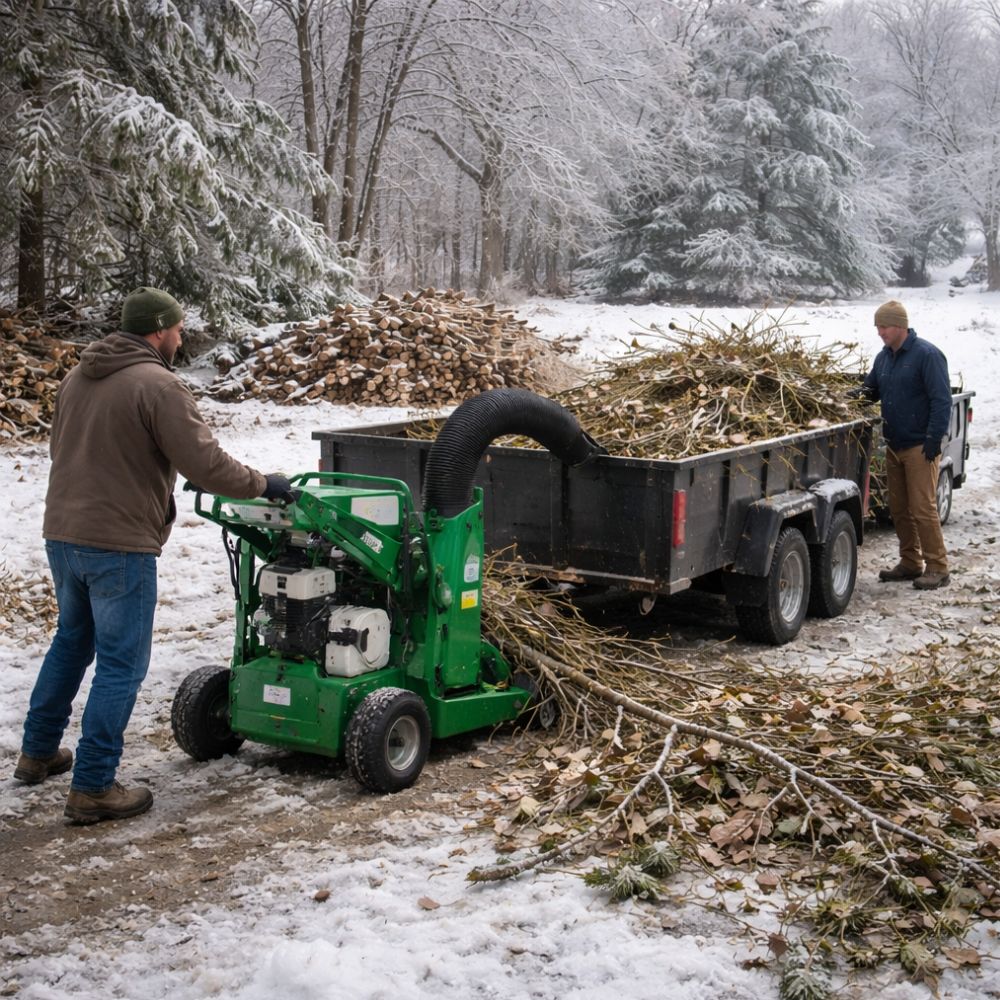
Debris Management Equipment for High-Volume Cleanup
Cutting is only half the work. Moving debris often takes longer.
Billy Goat Debris Equipment for Large Properties
Seacoast lists Billy Goat debris loaders built for high-volume branch cleanup in their debris loader category.
These machines help:
- Load brush into trailers faster
- Reduce repeated lifting
- Support commercial or multi-property cleanup
For lighter debris management, Seacoast also discusses broader land-clearing strategies in their coverage of equipment used to manage overgrown properties.
Staging Piles for Efficient Cleanup
Organize debris into:
- Cut sections ready for hauling or chipping
- Brush piles for lighter material
Stage piles:
- Away from drive lanes
- Clear of doors and vents
- Where trailers can reach safely
Brush placement rules vary by town. Check local requirements before curb staging.
Wood Chippers and Volume Reduction Considerations
Chippers reduce branch volume quickly but require proper handling.
Because availability can change, the safest approach is to confirm options directly.
Chipper availability, rental programs, or purchase options should be confirmed with Seacoast Power Equipment before planning cleanup.
For confirmation, use direct contact with the Seacoast Power team in North Hampton.
When Chipping Makes Sense
- Large volumes of branches
- Limited municipal disposal
- Space to operate safely
When Hauling Is Simpler
- Smaller piles
- Thick, heavy limbs
- Limited working space
Ice storm cleanup equipment works best when access is cleared first and debris is staged safely. The right chainsaw for storm damage, sharp chains, and Billy Goat debris loaders can speed branch cleanup on Seacoast NH properties. Equipment availability, sizing, and service support should always be confirmed with Seacoast Power Equipment in North Hampton.
Backup Power During Ice Storm Cleanup
Power outages often follow ice storms and can slow cleanup after dark.
Seacoast Power Equipment lists portable generator options for extended winter outages.
They also outline steps to prepare generators before winter storms arrive, including test runs and fuel care.
If a generator fails to start, Seacoast Power Equipment covers common generator starting and power issues.
Generator sizing and runtime depend on connected loads and usage needs.
Keeping Equipment Running Through Cleanup
Breakdowns slow progress and increase risk.
Seacoast Power Equipment supports:
- equipment parts support for chains, bars, and wear items
- full-service repair support for all equipment brands
For non-running or large equipment, Seacoast Power Equipment also offers pickup and delivery support for large or disabled equipment.
Frequently Asked Questions About Ice Storm Cleanup Equipment
What Ice Storm Cleanup Equipment Helps Clear Branches Fast?
A correctly sized chainsaw, proper protective gear, and a debris management plan form the foundation. For high-volume cleanup, debris loaders can reduce labor time. Equipment suitability depends on property size and debris conditions.
What Chainsaw Works Best for Storm Damage?
Choose a saw you can control that matches the branch sizes you can safely cut on the ground. Seacoast’s equipment listings show available brands. Confirm specific recommendations with Seacoast Power Equipment staff.
Do Frozen Branches Require Special Tools?
Frozen wood increases chain wear and cutting resistance. Sharp chains and safe technique matter more than specialized tools. Always follow manufacturer guidance.
What Is Billy Goat Debris Equipment Used For?
Billy Goat debris loaders are designed for moving and loading high volumes of storm debris efficiently. Seacoast references Billy Goat loaders directly in their debris equipment listings. Confirm application suitability with Seacoast Power Equipment.
Is Backup Power Required During Cleanup?
Generators help support lighting and essential circuits during outages. Generator need and sizing depend on individual property requirements.
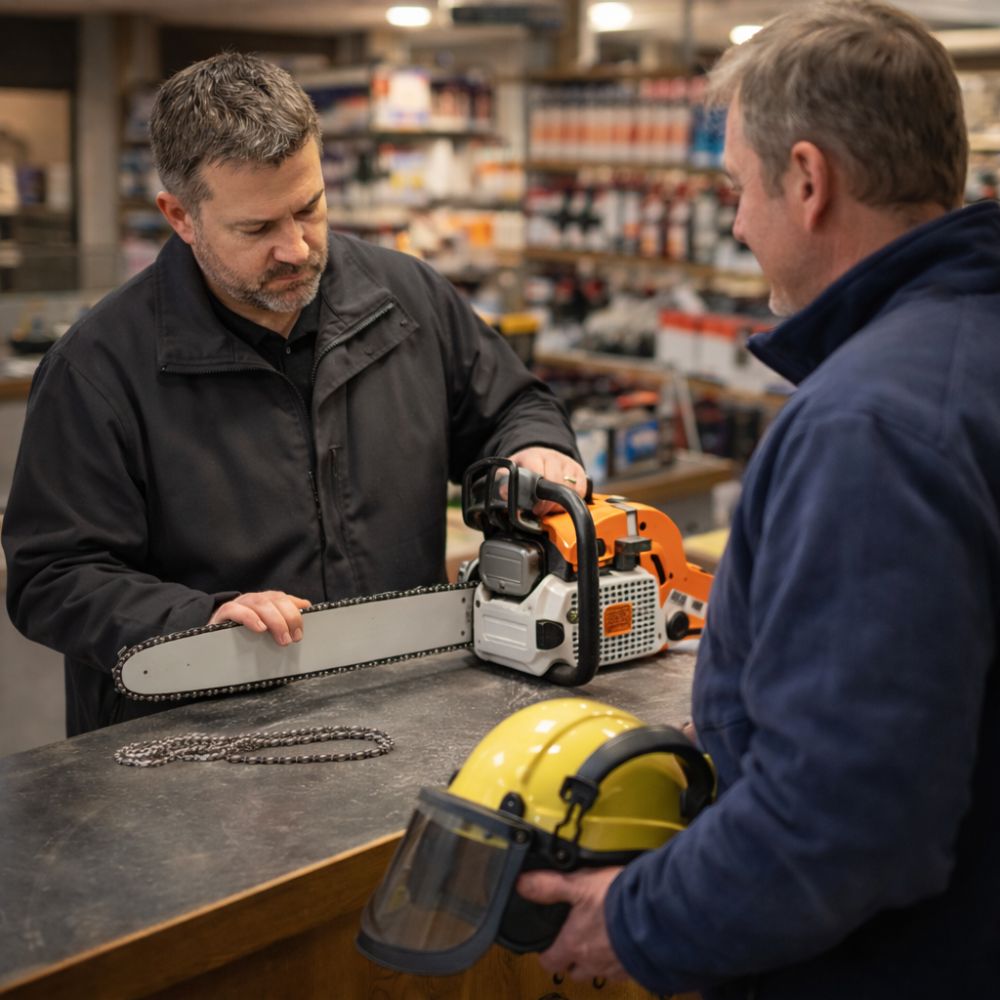
Support for Ice Storm Cleanup Equipment in Seacoast NH
Ice storm cleanup moves faster when access is restored first, debris is staged safely, and equipment matches the job. The right ice storm cleanup equipment saves time, but planning and judgment matter more than speed.
For equipment selection, parts support, or service help, contact Seacoast Power Equipment in North Hampton, NH.
Call (603) 964-8384 or use direct contact with the Seacoast Power Equipment team.