
Why Cordless Snow Gear Fits New Hampshire Winters
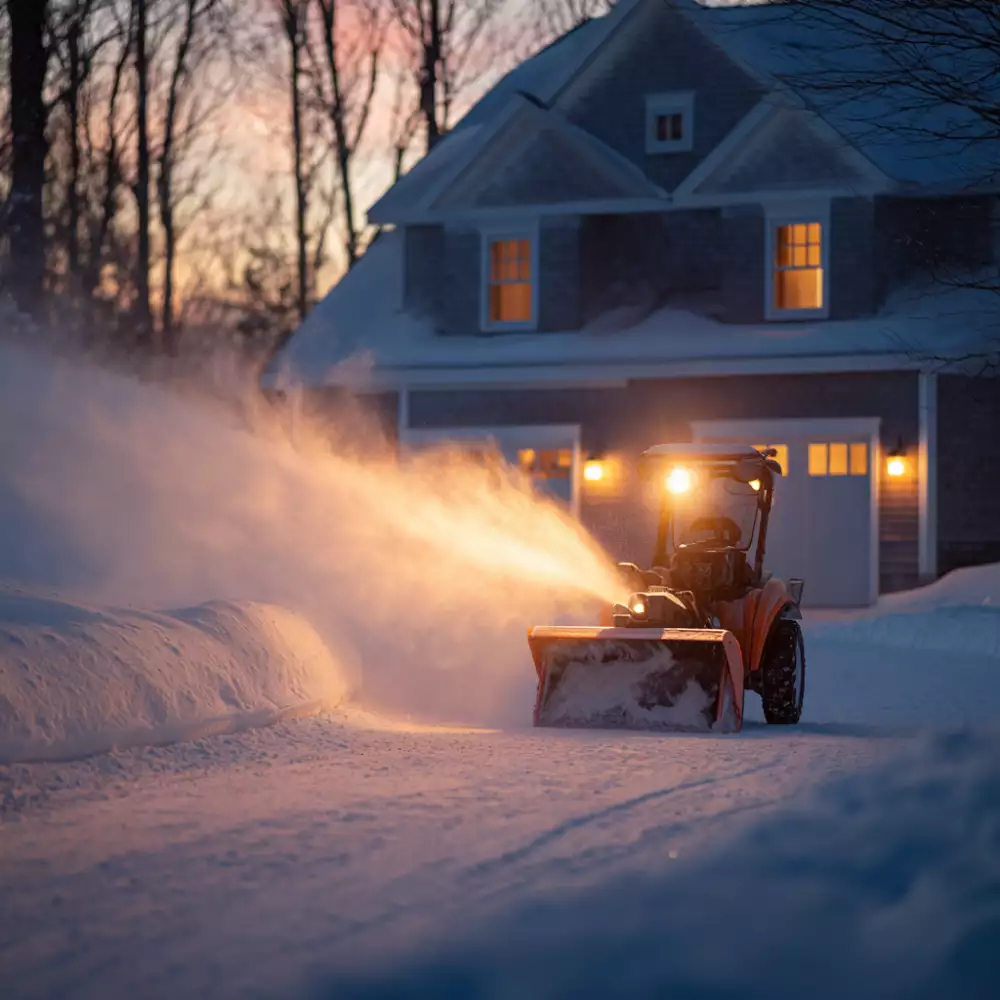
New England winters bring packed end-of-driveway snow, icy granular mix, and long cold snaps. Homeowners and caretakers want clearing power without the noise, fumes, and seasonal carb issues of small gas engines. Today’s lithium-ion systems pair brushless motors with high-capacity packs to move heavy, wet snow with less maintenance and quicker startupin freezing temps. That means more time clearing and less time tinkering in the garage.
If you manage multiple properties like Estate Caretaker James or just want a reliable setup like Semi-Retired Bob, battery platforms simplify winter routines. You charge indoors, keep packs warm, and press a single button to get moving. Local shoppers also value quiet operation for early morning passes along tight neighborhood routes.
Helpful Internal Links
- Compare battery and gas snow blowers before you buy
- See in-stock new battery and gas equipment and ask about winter-ready bundles
- Check current pricing on STIHL battery tools and accessories
Battery vs. Gas in Cold Weather
Battery-powered snow equipment has changed the winter routine for many New Hampshire households, but each system has tradeoffs. Use this quick table to set expectations before the first storm.
| Factor | Battery-Powered Snow Equipment | Gas Snow Equipment |
| Start up in the cold | Instant push-button start; no choke or pull cord | Manual start; can be harder to fire up in deep cold |
| Maintenance | No oil changes, no carb cleaning; simple checks | Seasonal fuel, stabilizer, oil, spark plugs, filters |
| Noise level | Lower noise for early morning clearing | Louder operation |
| Emissions | No on-site exhaust; eco-friendly equipment | Tailpipe emissions |
| Power feel | Strong torque at the auger/impeller with high-voltage packs | High sustained power with larger engines |
| Runtime | Pack-limited; plan for spare batteries on big storms | Fuel-limited; refuel quickly |
| Storage | Store tools in garage, batteries indoors | Store unit and fuel safely in a ventilated area |
Bottom line: For typical NH driveways, a well-sized battery snow blower with warm spare packs offers reliable clearing and less upkeep. Larger commercial routes still lean on gas for extended runs without swapping packs.
Cold Weather Runtime: What To Expect
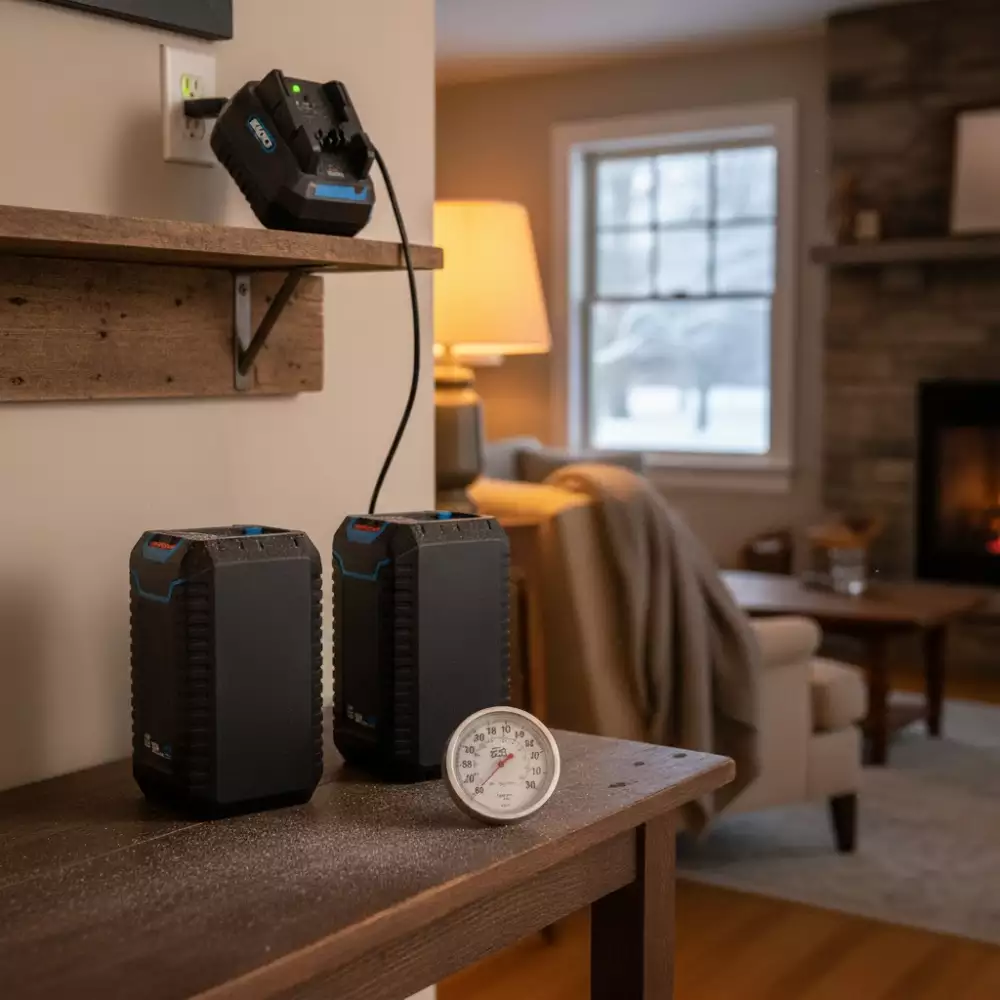
Lithium-ion batteries deliver less output in cold weather because the internal chemistry slows. Performance near 32°F (0°C) may approach rated levels in premium packs, but many will drop in power or runtime. As temps approach 20°F (-7°C) or below, you should expect shorter sessions and more frequent battery swaps under heavy snow-blowing use. Warming packs indoors before use and rotating spare fully charged packs helps maintain consistent torque. Store your charger in a dry, moderate-temperature indoor location and top off packs after each job (preferably after warming to ambient).
Quick reality check:
- Around 32°F: Some high-quality packs may perform close to rated output under light snow conditions, but many will still see reduced capacity.
- Around 20°F: Expect a noticeable reduction in runtime, especially under heavy load, and plan for extra battery swaps or shorter clearing intervals.
Battery care note: Avoid charging packs that are still cold (just removed from the tool or outdoor storage). Let them warm to a suitable temperature per manufacturer instructions before charging to avoid internal damage.
Recommended Categories For Battery Snow Equipment
The best match depends on your driveway length, slope, and the kind of snow you get along the Seacoast.
1) Single-Stage Battery Snow Blowers
Ideal for smooth, paved surfaces and light to moderate accumulations. These models are compact, quick to maneuver, and pair well with a second battery for longer paths. Estate caretaker James often keeps one at smaller sites to handle fresh overnight dustings before switching to a larger unit for main routes.
Where to start: Compare battery and gas snow blowers by drive size and snow type at Seacoast Power Equipment.
2) Two-Stage Battery Snow Blowers
Best for heavier New Hampshire storms, packed end-of-driveway snow, and longer runs. Two-stage battery units deliver strong chute throw and steady pace with fewer clogs, especially when you rotate warm packs.
Local tip: Keep one warm pack in the house. Swap during a quick break to maintain consistent output on wet, coastal snowfall.
3) Battery-Powered Shovels and Compact Throwers
Perfect for steps, decks, and tight walkways. These small tools shine on quick touch-ups between plow passes and pair well with a full-size blower for complete coverage.
4) Cordless Handheld Blowers For Post-Storm Cleanup
Use a high-voltage handheld blower to clear light powder on vehicles, porch stairs, and heat pumps after the main pass. The same blower helps with fall leaves and spring cleanup, giving you off-season value.
Brand Platforms To Ask About Locally
- STIHL battery tools: Known for pro-grade handhelds and seasonal attachments that help year-round, including winter cleanup tasks. Ask our team which packs fit your workflow and how to store them during temperature swings. [In-store guidance available.]
- Kress battery lineup: Built for efficient runtime and strong torque delivery with brushless motors. Discuss charger placement, pack storage, and winter charging routines with our staff. [In-store guidance available.]
Shop in person, compare platforms side by side, and get a quick battery demo at our showroom. We tailor recommendations to New Hampshire snow types and driveway layouts.
Must-Have Battery Tips For Winter
- Charge indoors: Use a dry, temperature-controlled area for your charger and batteries. Bring packs inside after use so they can warm to near room temperature before charging.
- Pre-warm & rotate: If you have multiple packs, warm two fully charged ones indoors, use one in the tool, and keep a second ready. Mid-job in heavy snow, consider swapping to maintain strong torque. >Suggested approach for long tasks.
- Store at partial charge between storms: If you won’t use the pack for a few days, store it indoors at a ~40-60% state of charge, then top it off before your next job. >Supported by storage guidelines.
- Protect contacts: Clear snow, moisture, and debris from battery terminals and tool housing before inserting packs. Keep all contacts clean and dry.
- Inspect augers & chutes: Remove packed snow and ice from the auger, impeller, and chute housing before starting, so the battery isn’t overloaded and your system runs efficiently.
- Plan for pack management on big storms: Have a workflow, one warm pack in the tool, another warm pack ready to swap, and a third on the charger indoors. This helps maintain continuous clearing. Suggested workflow based on a multiple-battery strategy.
Safety And Maintenance, Made Simple
Shut down before clearing clogs
Always power off and remove the battery before reaching into the auger or chute. Wait for all moving parts to stop completely. Use a clean-out tool, never your hands, to clear packed snow safely.
Dry storage
After each clearing session, brush off snow and slush from the auger, chute, and housing. Park the unit in a clean, dry area to prevent ice buildup around drive components and reduce corrosion over time.
Pre-season check
Inspect scraper bars, skid shoes, belts or drive systems, chute controls, and safety switches before the first storm. Tighten any loose fasteners and test your lights if your blower is equipped for early morning or evening use.
Annual service
Book a pre-winter inspection with Seacoast Power Equipment to ensure your snowblower is tuned and ready for the season. Our technicians check wear parts, bearings, and electrical systems, and we offer convenient local pickup and delivery for busy homeowners and property managers.
Battery-powered snow equipment clears typical NH driveways quickly with push-button start, low noise, and minimal upkeep. Keep batteries warm, rotate spares, and store packs indoors to preserve torque on freezing mornings. Visit our showroom for a hands-on battery demo.
At-Home Battery Storage Checklist
- Bring batteries indoors after each session.
- Let cold packs warm to room temperature before charging.
- Store near 40 to 60 percent charge if you will not clear again for several days.
- Keep chargers in a dry, ventilated space.
- Avoid leaving packs in sub-freezing vehicles overnight.
- Wipe moisture off the tool and pack contacts.
- Log your rotation so every pack gets regular use
Top 5 Signs Your Snowblower Needs Pre-Season Service
Even cordless units benefit from a quick inspection before the first storm. Watch for these warning signs and book service early to skip the rush:
- Reduced throw distance
If your blower no longer sends snow as far as last season, worn scraper bars, skid shoes, or auger/impeller wear may be the culprit. Also check for buildup inside the housing or drive belt issues. Schedule service before deep snow arrives. - Intermittent power or sudden cutoffs
If output becomes erratic or the unit stops unexpectedly, inspect battery seating, electrical contacts, and switchgear for moisture or loose connections. Persistent issues warrant control-module or motor testing. - Chute adjustments slipping
If the deflector drifts under load or won’t stay in position, cable linkage or hardware may be loose or worn. Correcting this now makes clearing faster and safer when snow starts to accumulate. - Strange vibrations
Excess vibration often signals bent auger flights, missing fasteners, or an imbalanced impeller. Left unaddressed, this creates wear on bearings or drives. A quick balance and fastener check restores smoother operation. - Lights, safety switches, or interlocks not working
Before dawn or dusk runs, confirm lights function and safety switches or interlocks stop the auger when triggered. Reliable interlocks protect hands and prevent unintended operation. If anything seems off, book service.
Need help now? Ask about local service and repair options during your in-store visit, and request pickup if you prefer.
Real-World Use Cases For New Hampshire
- Short, paved driveways: A single-stage blower is often sufficient for paved surfaces with light to moderate snowfall. For example, with a well-matched battery system and spare packs warmed indoors, you can handle typical overnight accumulation plus plow-back scenarios.
- Long rural drives: Two-stage models excel when dealing with deep, heavy snow or long open runs because they throw farther and process more snow per pass. For properties with multiple acres or long access drives, consider a two-stage battery unit (or a large unit paired with a compact cordless blower for walkways and porches).
- Property caretaking: For multi-address properties or caretaker roles, keep a compact cordless blower in-vehicle for quick touch-ups (steps, decks, porches) and use a larger blower when totals build. This flexible strategy helps you stay efficient and ready across sites.
Internal Resources Worth Reading
To keep this article clean and useful, here are a few Seacoast Power Equipment guides that pair perfectly with battery winter gear. Each link expands on a key topic mentioned above.
- Learn safe operating habits before the first storm: snow equipment safety tips
- Build a winter maintenance routine that fits the New Hampshire season: winter equipment care tips
- Understand platform choices across your yard tools: battery vs. gas equipment comparison
We avoid adding too many links in one place so you can stay focused on choosing the right setup.
Frequently Asked Questions
Do battery snow blowers work in New England winters?
Many high-voltage cordless models do perform well for typical New Hampshire driveways when battery packs are kept warm and rotated appropriately. For very long runs or deep wet snow, plan for extra packs or consider a larger machine.
How does cold weather affect battery runtime?
Cold temperatures reduce usable capacity and may limit peak power. To maintain performance, store and use packs indoors when possible, rotate them during long sessions, and charge at room temperature. Expect a shorter runtime near 20°F than at 32°F.
What size battery is best for typical NH driveways?
Choose a platform that supports high-capacity packs and quick swaps. As a guideline, two to three packs may suffice for a single-stage unit; three or more packs could be needed for a two-stage model, depending on driveway size and conditions.
How should I store batteries when temps drop below freezing?
Store packs indoors in a moderate-temperature space. If a storm is days away, keep them at around 40-60% charge and top them off the evening before use. Never charge a pack straight from cold outdoor storage without letting it warm first.
Is the STIHL or Kress battery lineup better for me?
It depends on your tool needs, charger ecosystem, and how many packs you want in rotation. Visit our showroom for side-by-side demos and local guidance on selecting the right platform.

Local Help, Right Here In New Hampshire
Seacoast Power Equipment supports you year-round with sales, parts, and service for winter and shoulder seasons. We help you size the right battery platform for your driveway, set up a pack a rotation plan, and prepare for coastal storms. Ask about pickup and delivery if you need a hand.
Quick Paths
- Compare models and ask about in-stock units: battery and gas snow blowers
- Browse the showroom lineup: new battery and gas equipment
- Check seasonal deals and accessories: STIHL lineup
Ready to upgrade your winter setup? Call Seacoast Power Equipment today or visit our showroom for a hands-on battery demo, pack sizing help, and a simple pre-season inspection. We will help you choose a battery-powered snow equipment plan that fits your New Hampshire winter and keeps you moving on storm days.